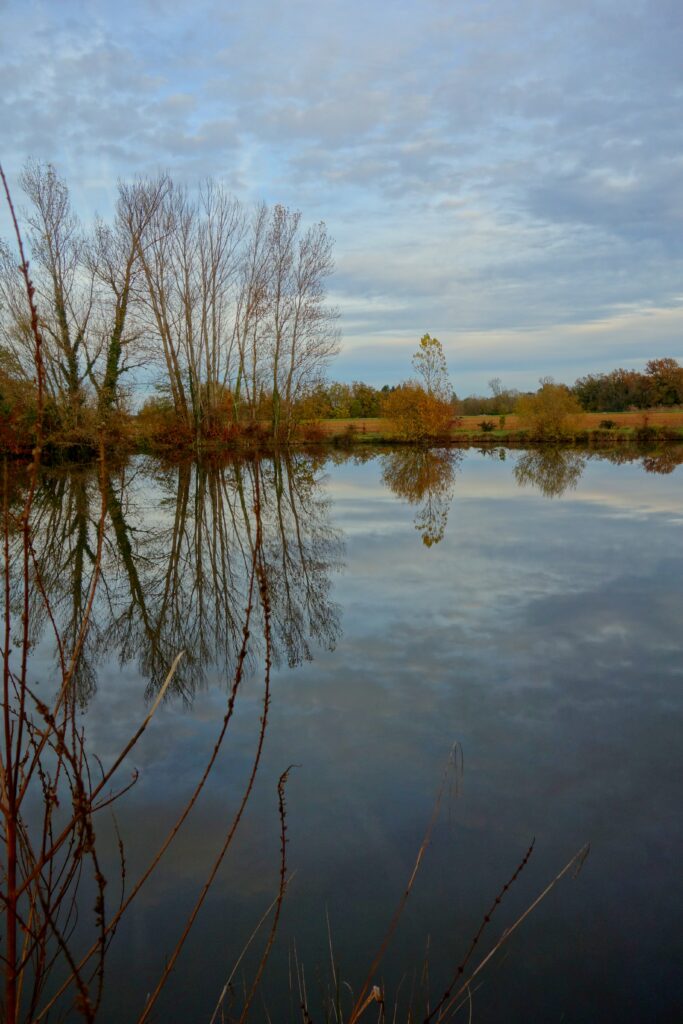
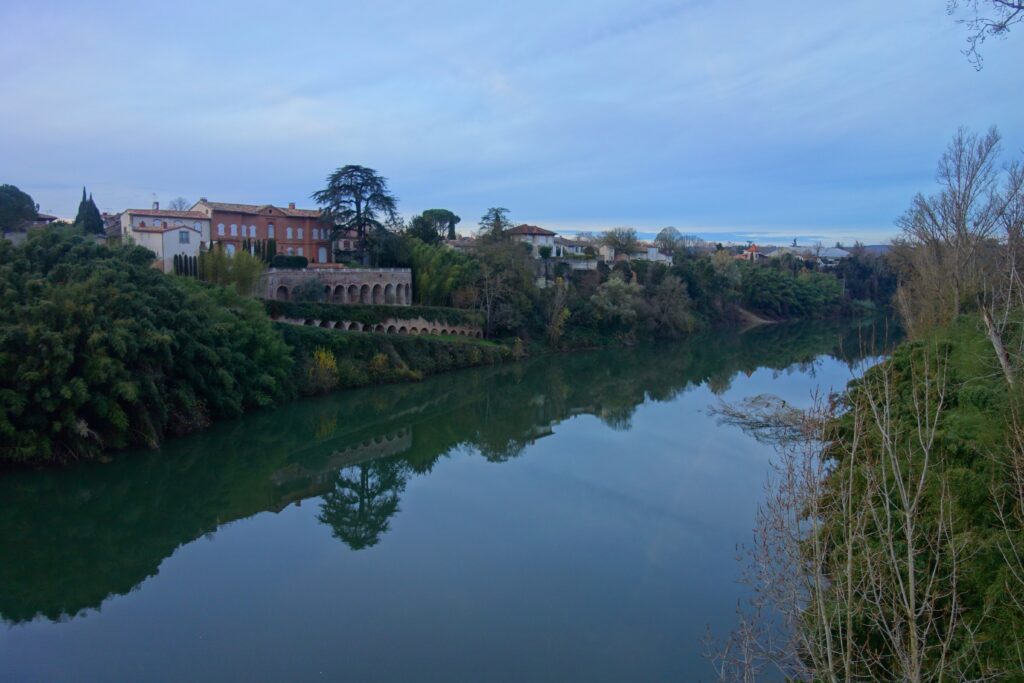
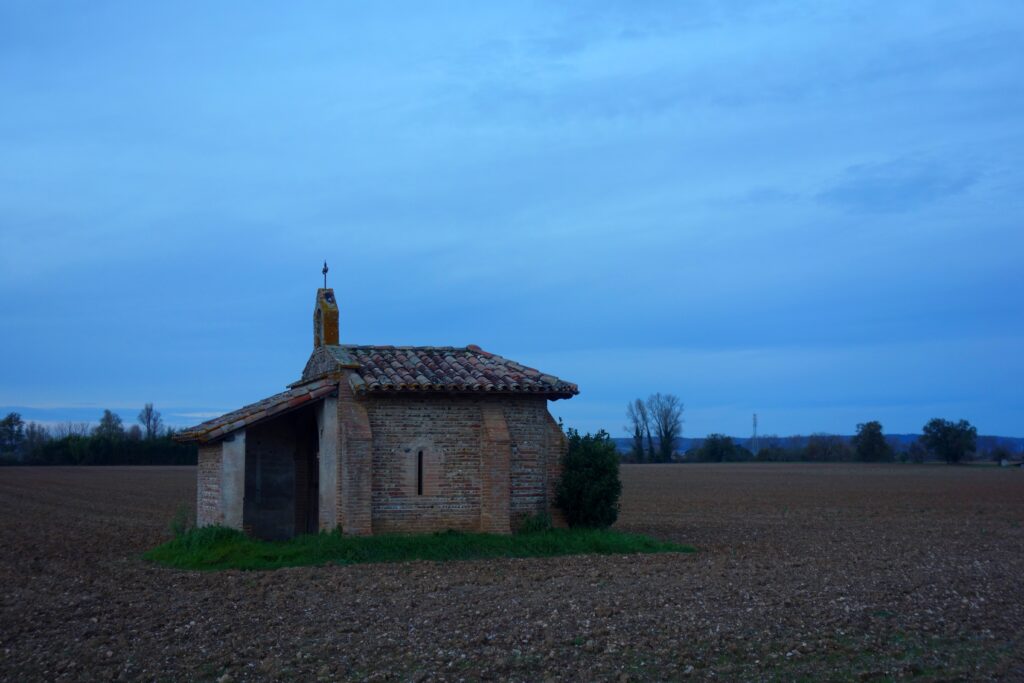
Je suis parti assez tard me balader, ça faisait un moment que je voulais repasser à Montans, le long du Tarn, pour retrouver ce canal souterrain qui passe sous la commune, si vous récupérez la trace, il vaut mieux y passer en été ou au début de l’automne, là j’ai bien trempé les pieds et j’ai un peu bartassé … Ça tombe bien, le club VTT du coin s’appelle « Les Bartassiers », organise ou organisait dans ce joli coin une « Rando du cœur » à vocation caritative, l’ambiance y a toujours été très festive et les bénéfices ont été reversés à des associations caritatives, j’ai eu l’occasion d’y participer plusieurs fois, je ne sais pas si l’évènement perdure.
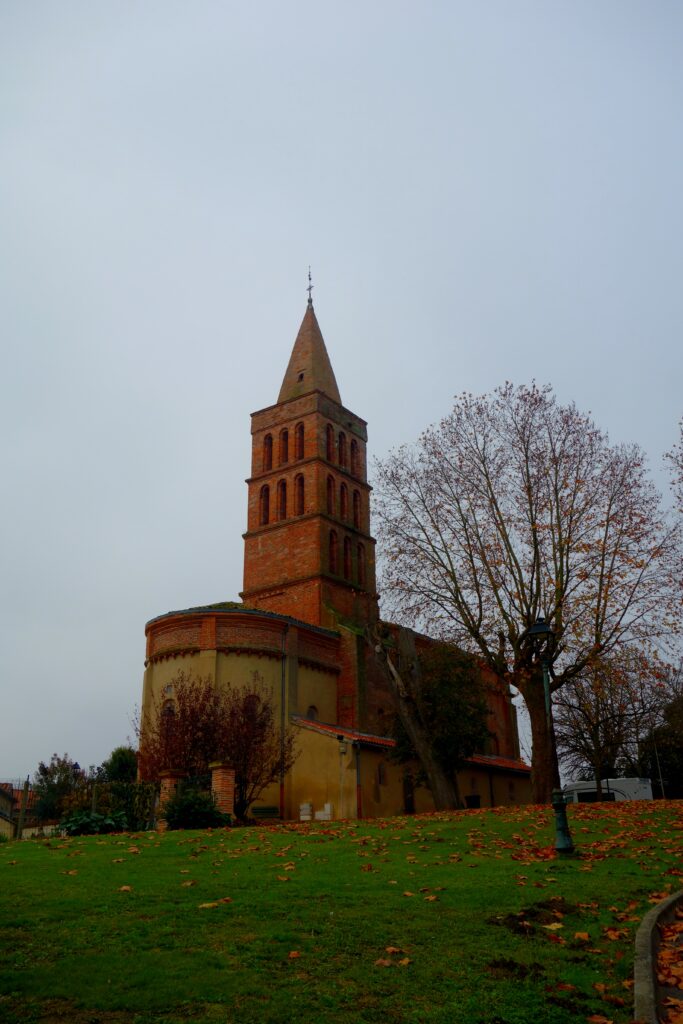
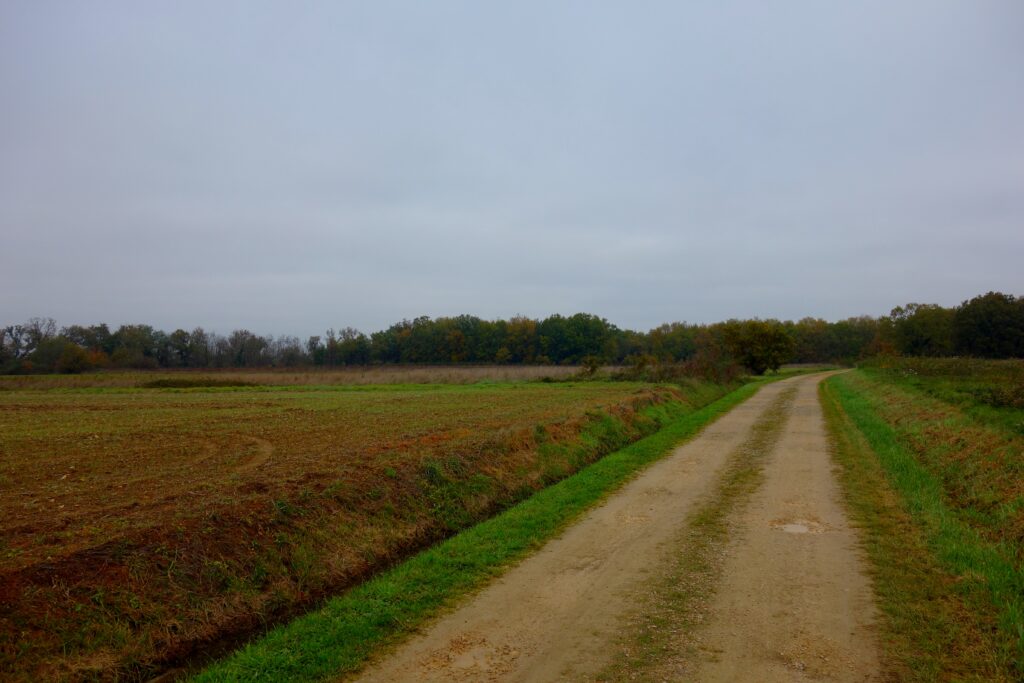
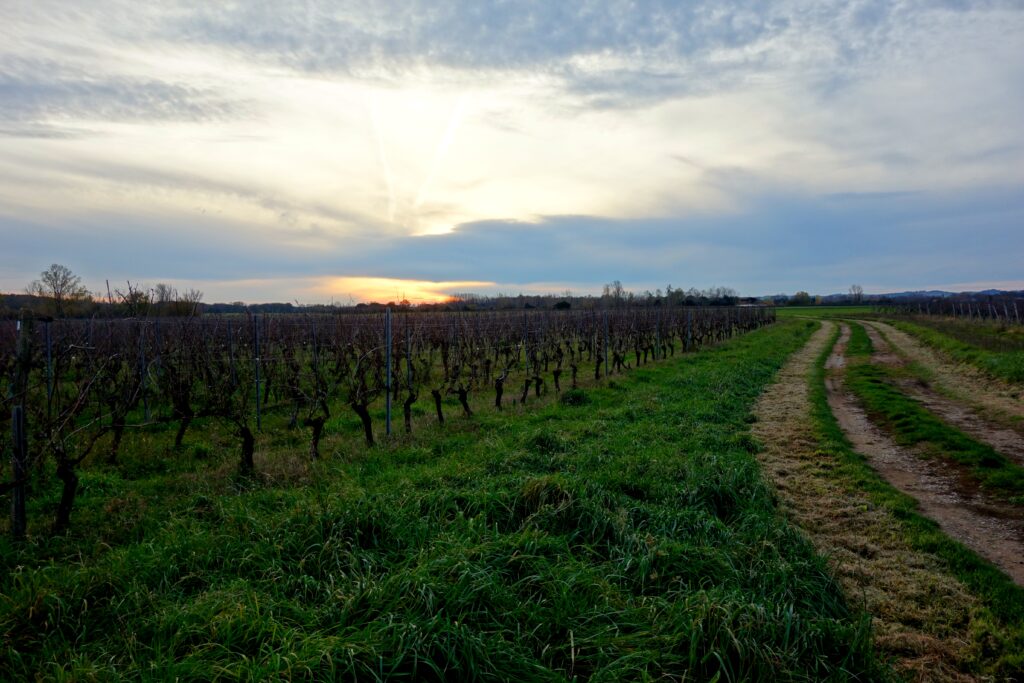
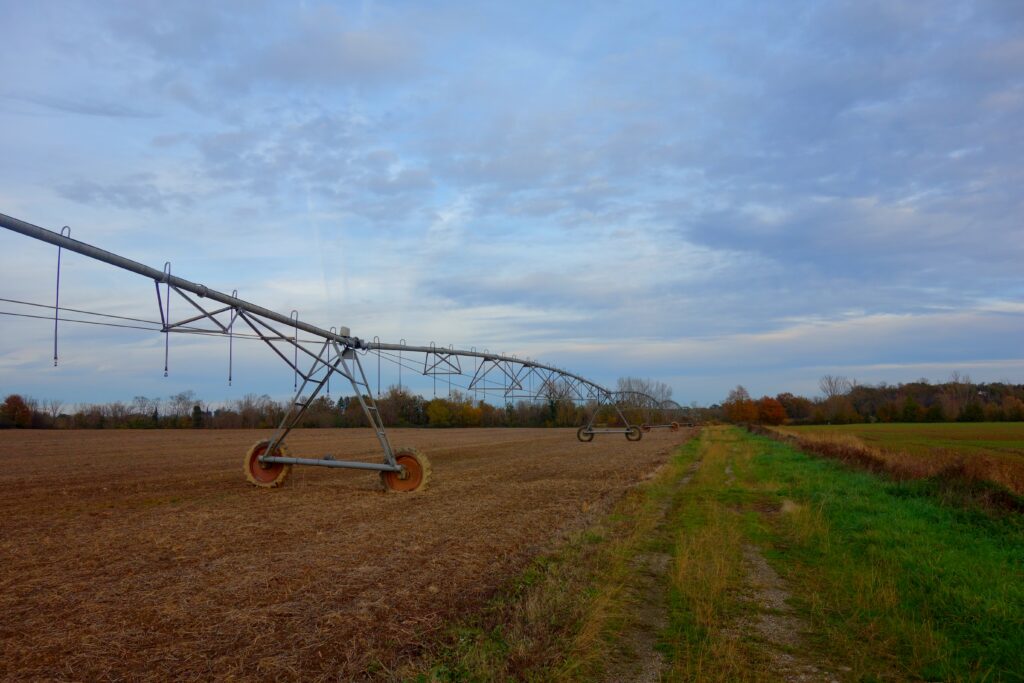
La vallée du Tarn est très agricole, on peut y trouver des pistes rurales ou agricoles pour rouler hors bitume. La vallée permet des balades bucoliques entre nature, agriculture (dont les vignes du Gaillacois) et histoire avec des nombreuses villes au passé très riche (Montauban, Saint-Sulpice, Rabastens, Lisle-sur-Tarn, Gaillac Albi et d’autres pour ce secteur proche de l’agglomération toulousaine).
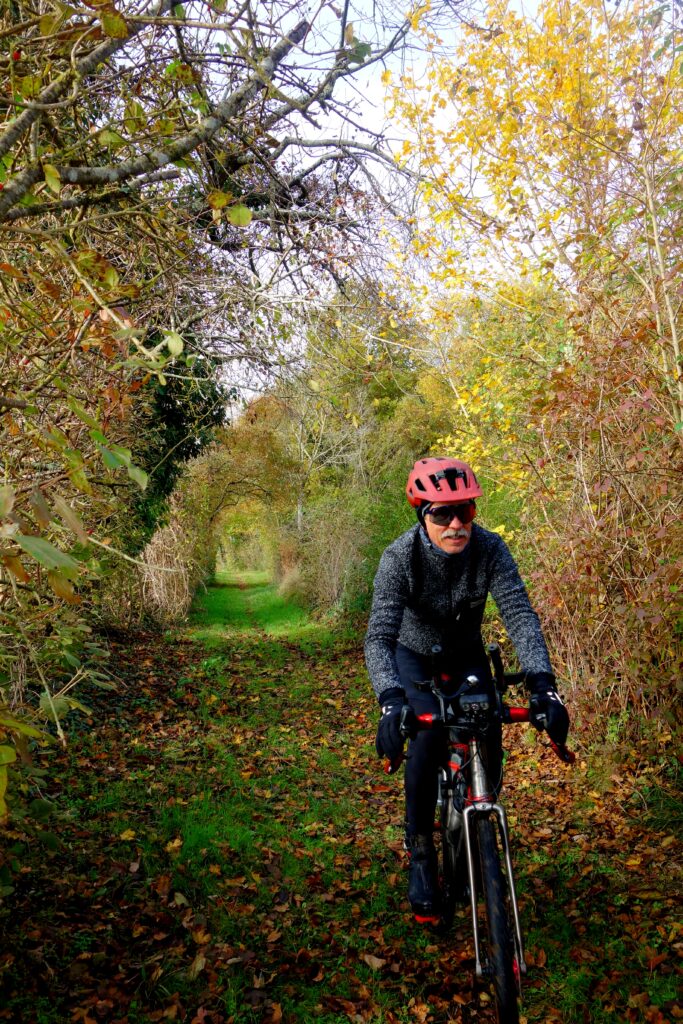
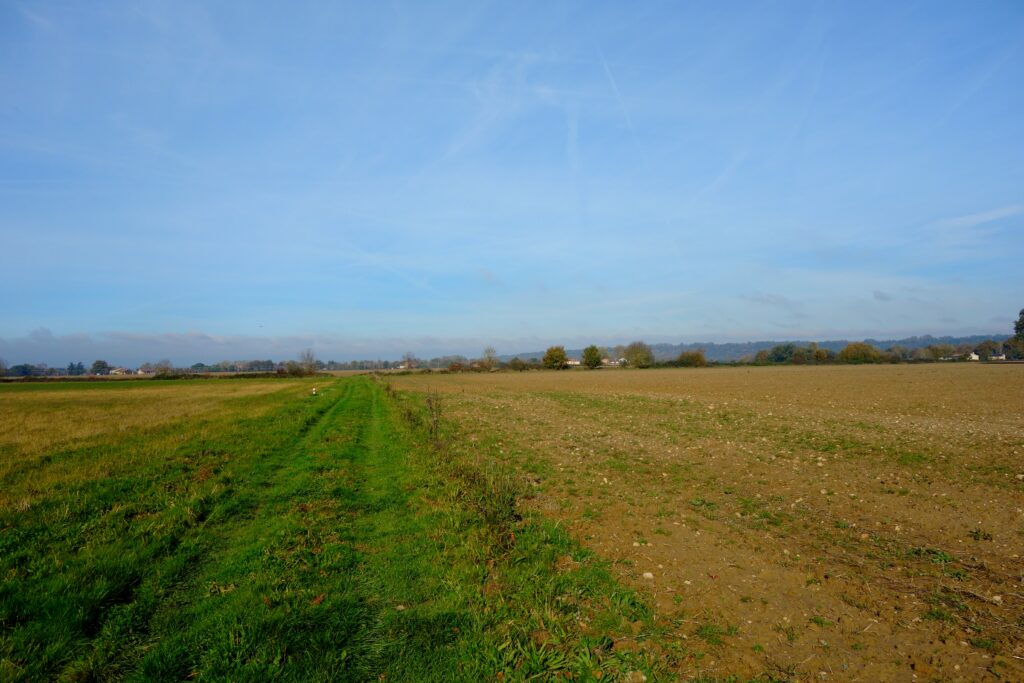
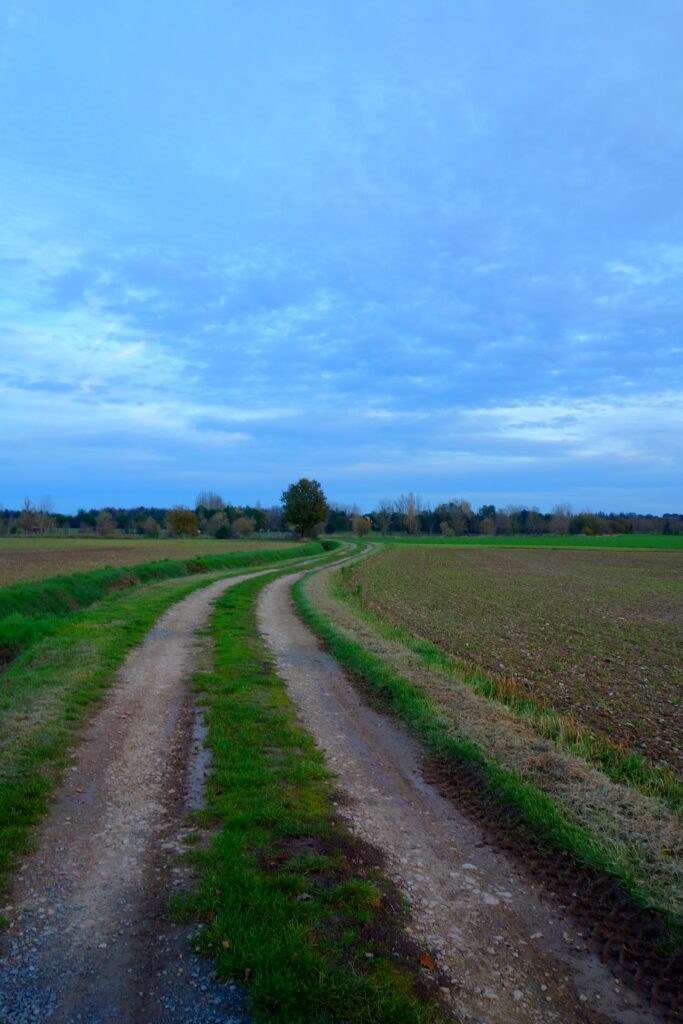
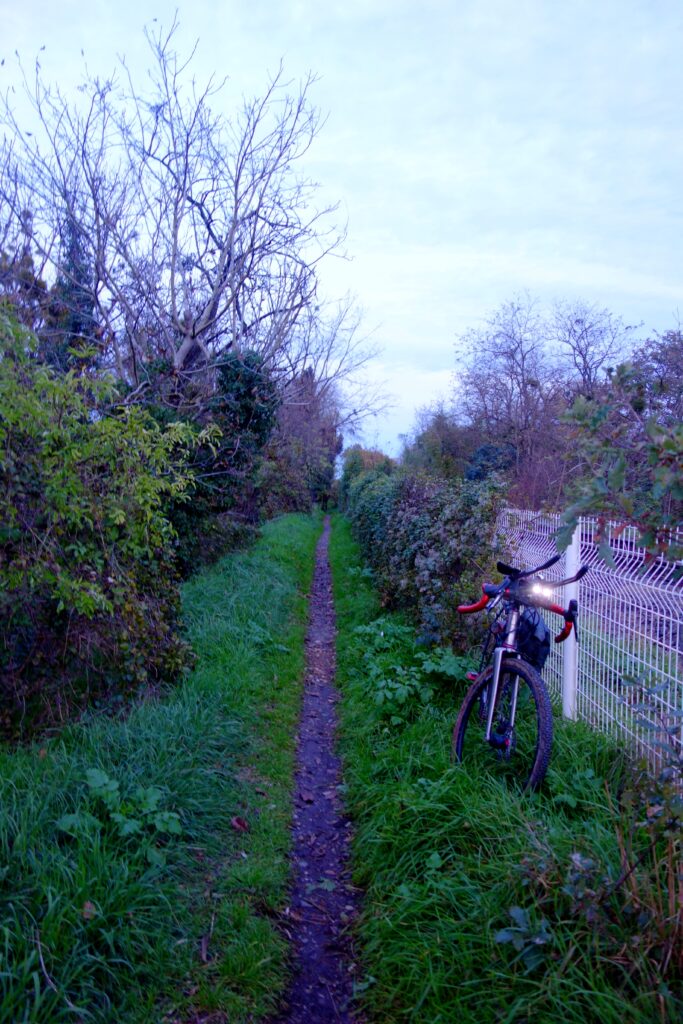
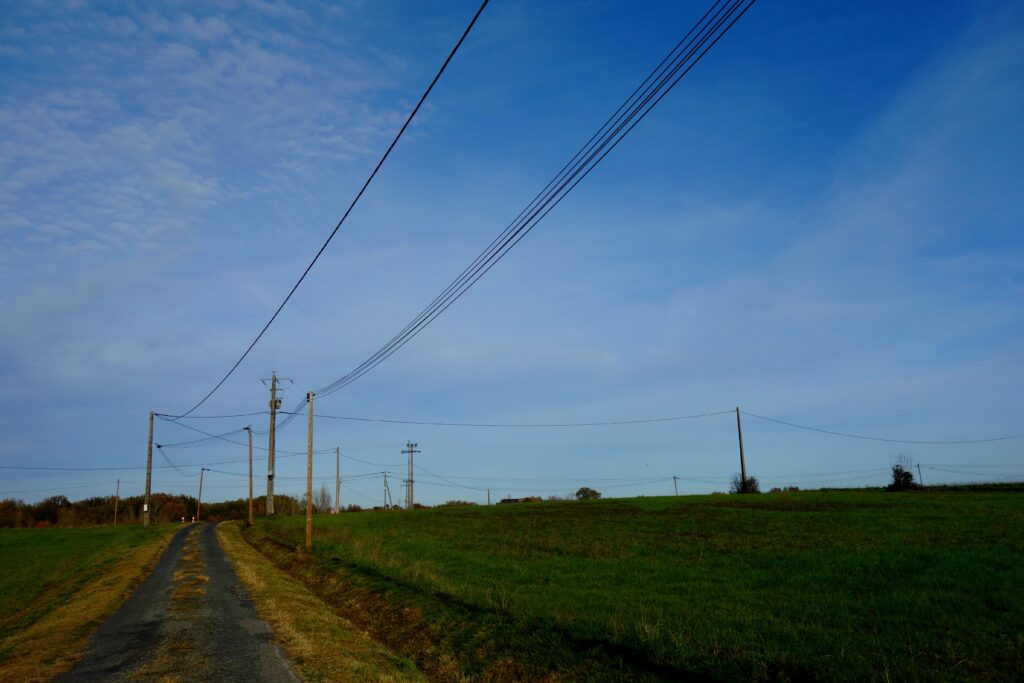
J’ai choisi de partir d’abord vers l’Agout et Giroussens, via Roquesérière, une portion de GR 46, Lugan, Saint-Lieux-les-Lavaur en alternant pistes, chemins et petites routes au goudron irrégulier, ce que je recherche quand je me balade en vélo.
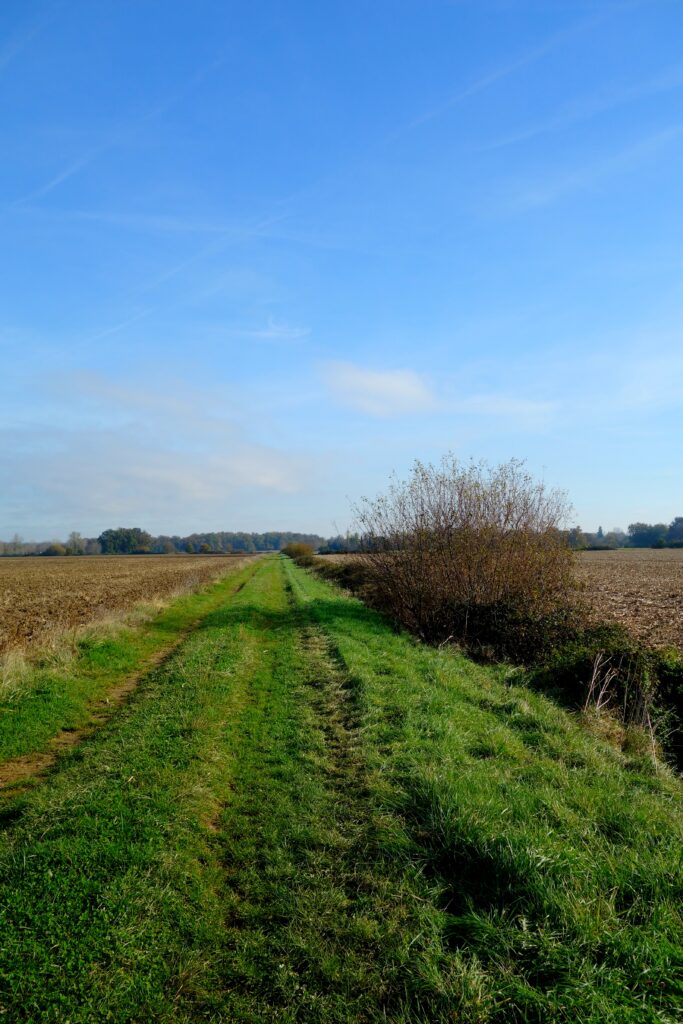
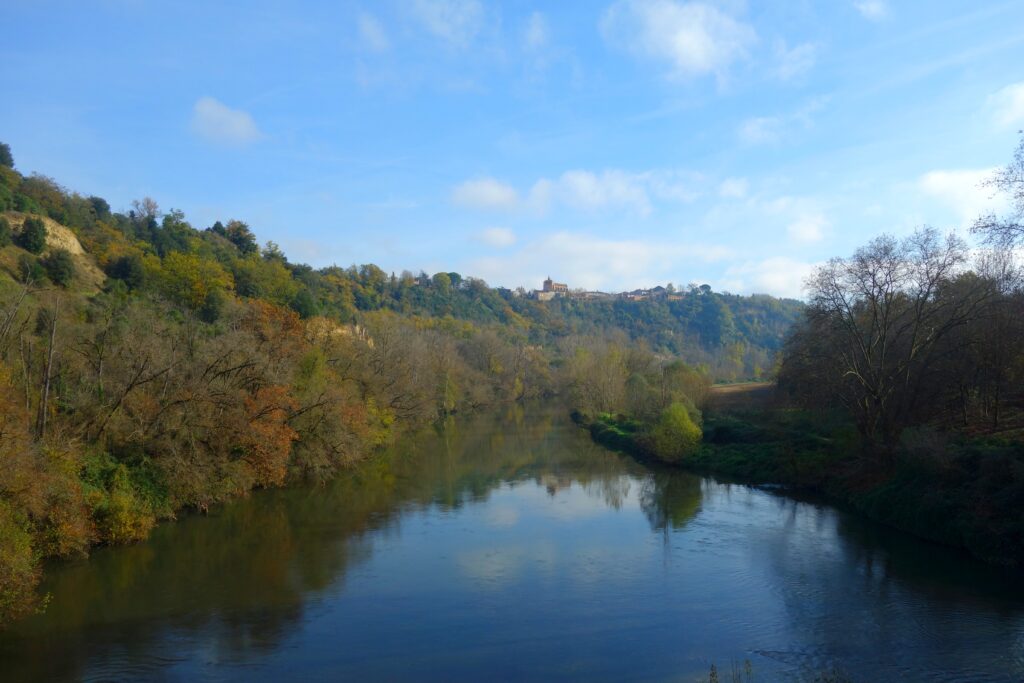
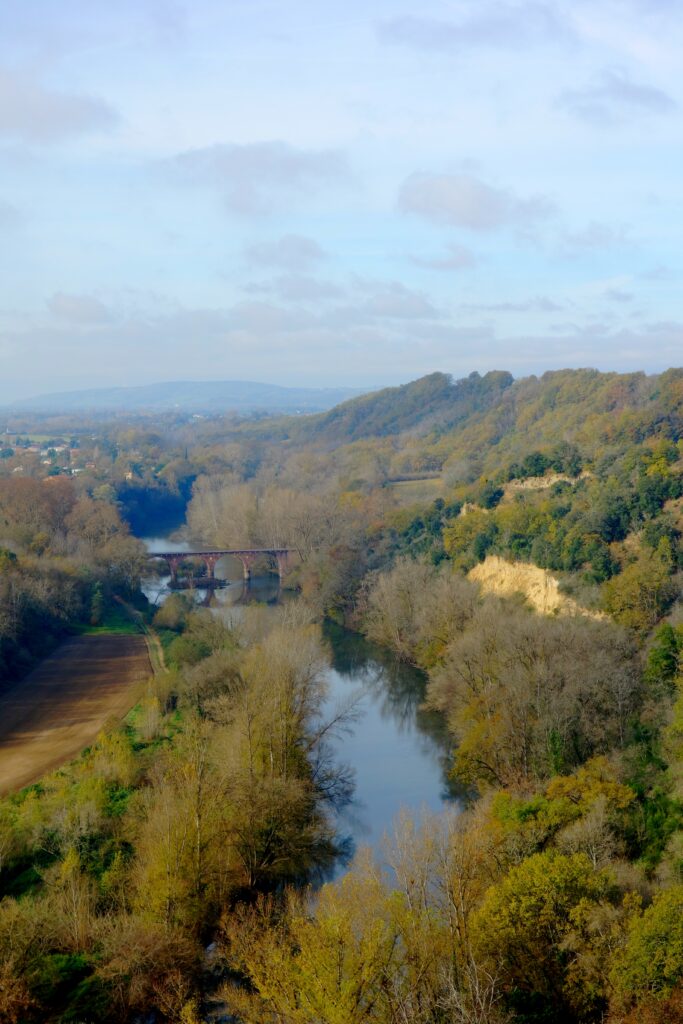
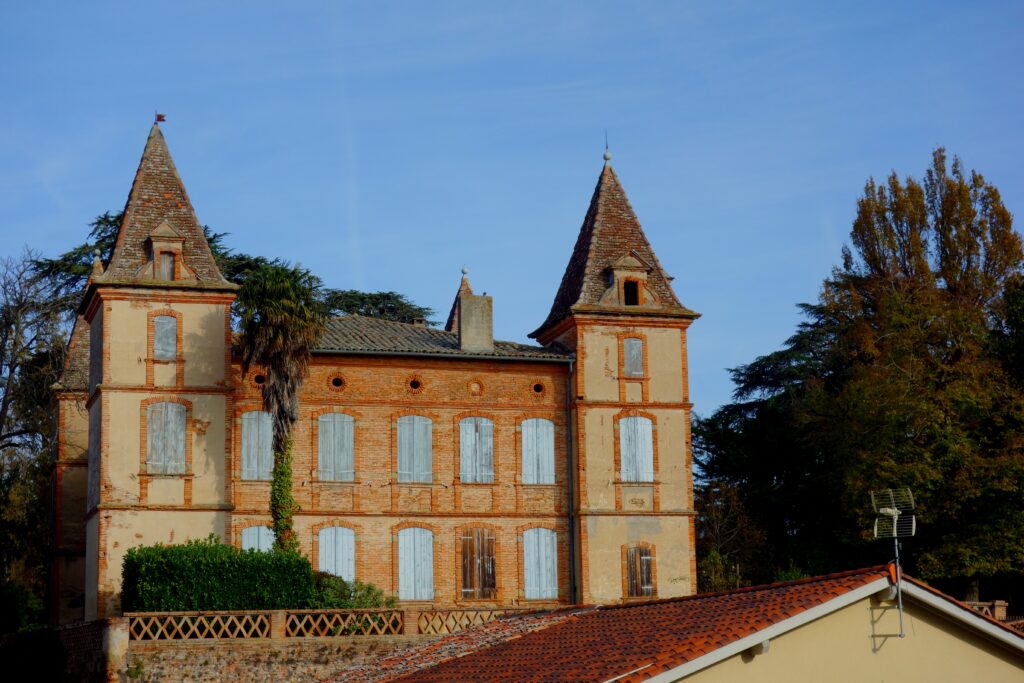
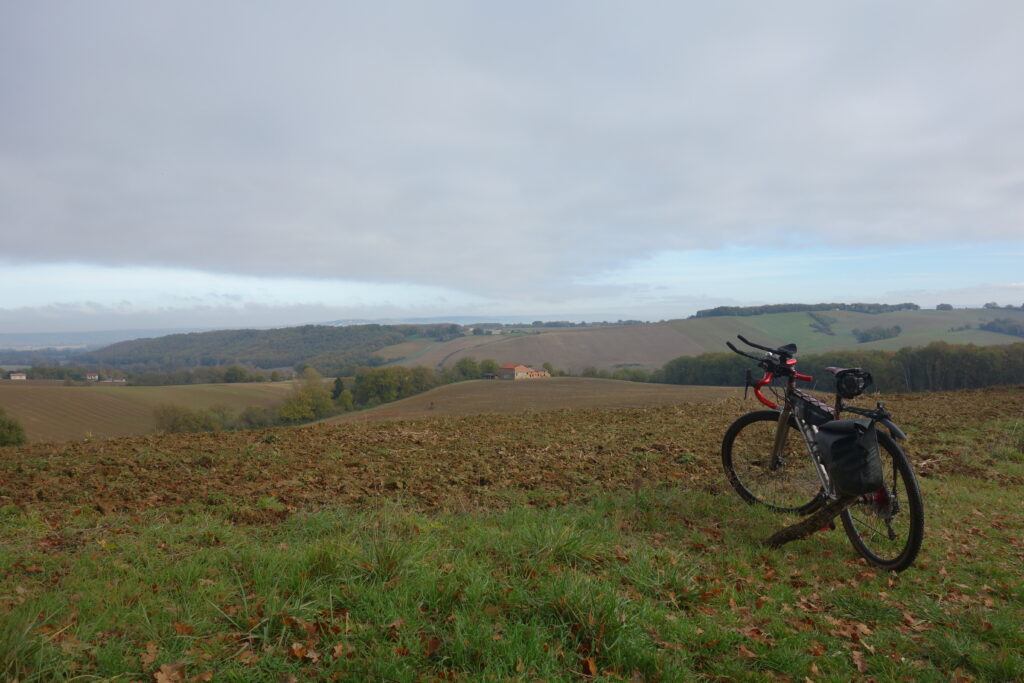
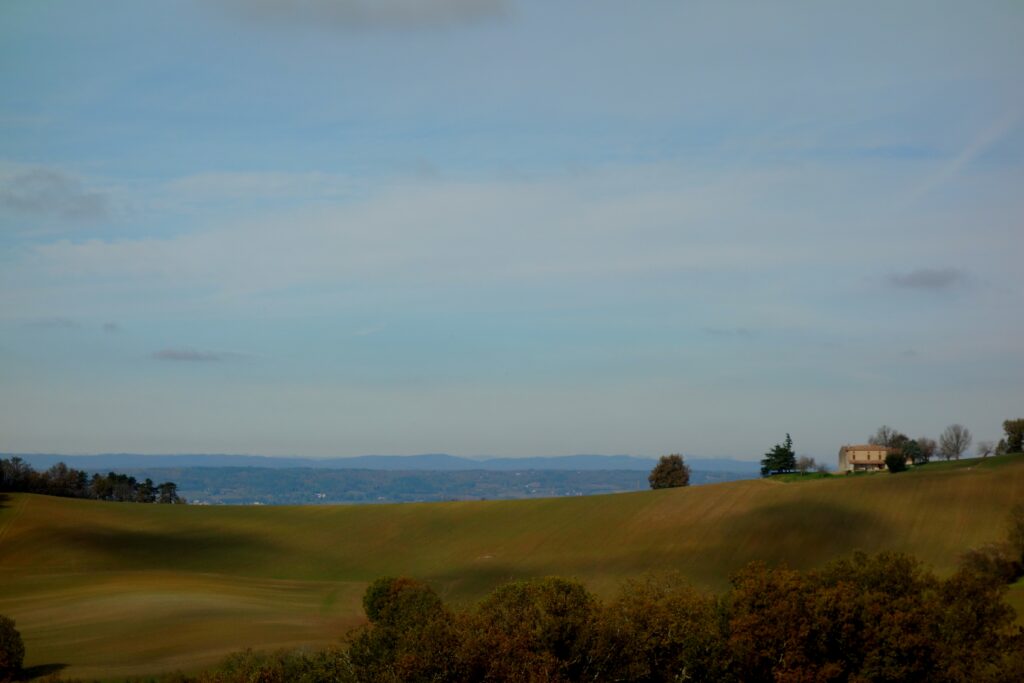
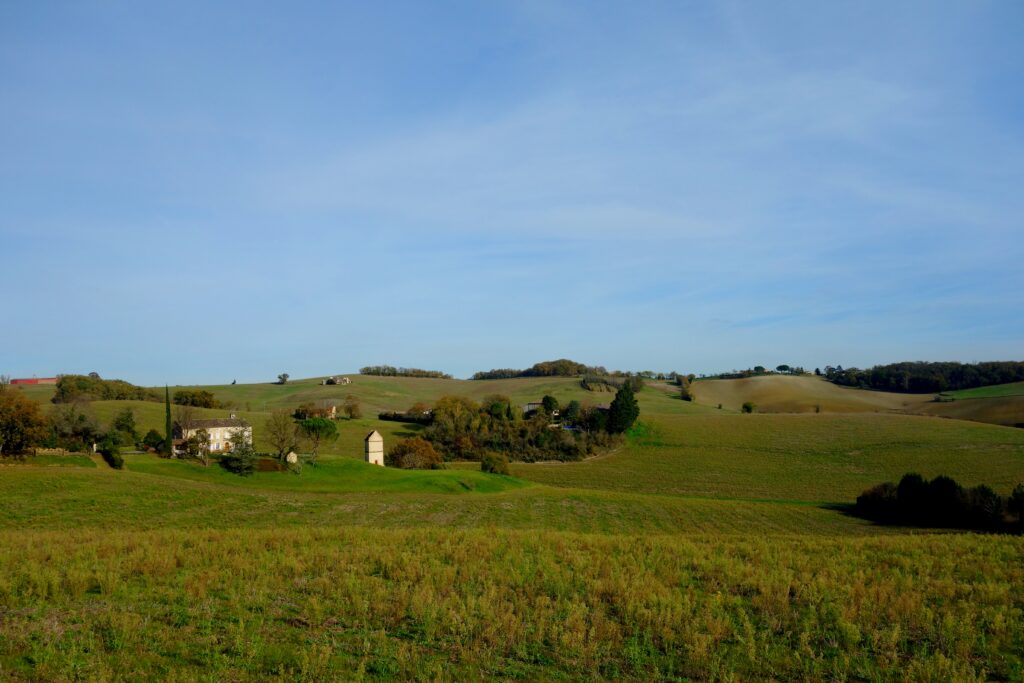
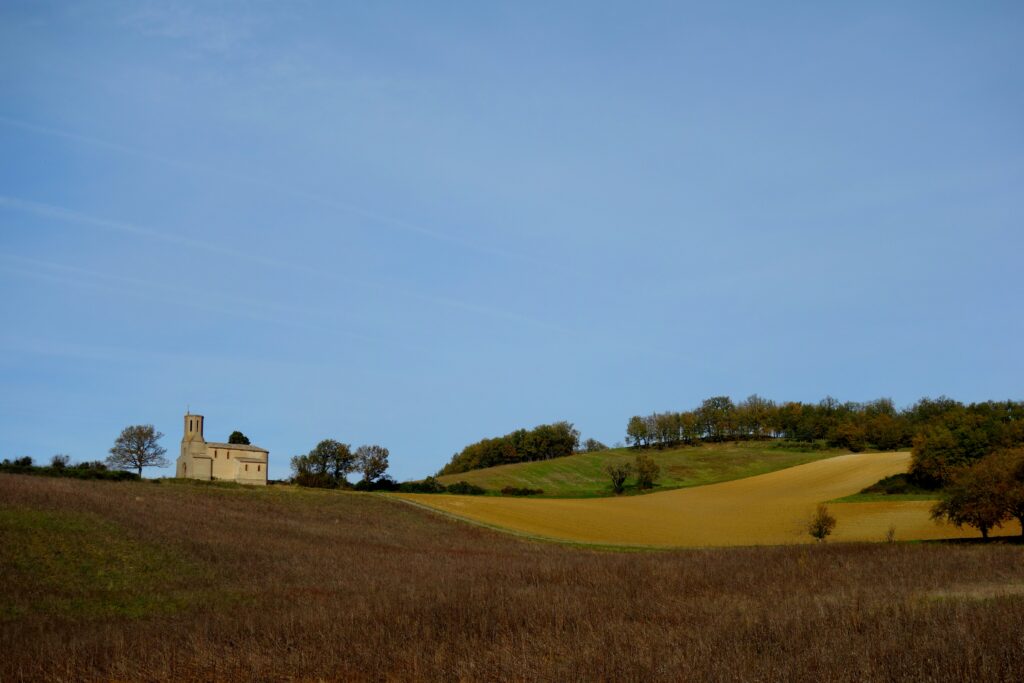
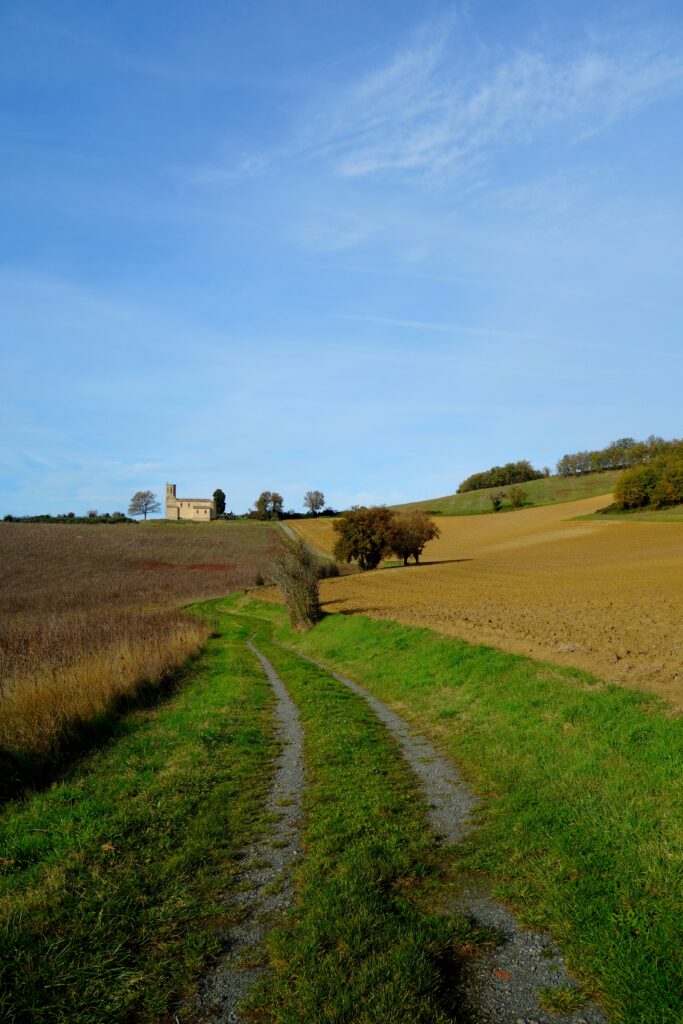
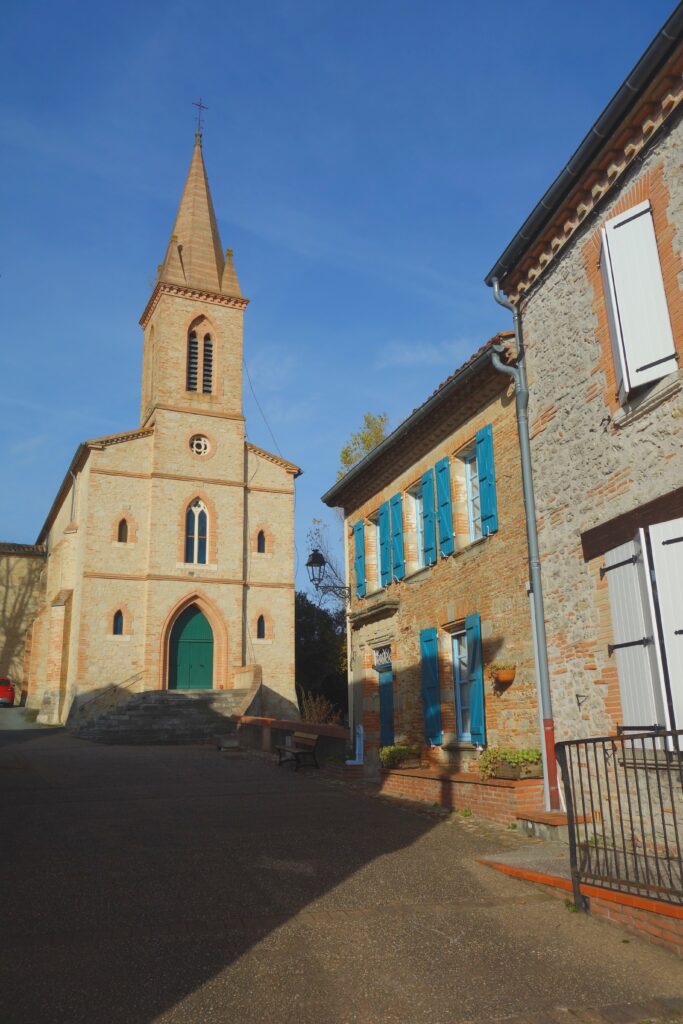
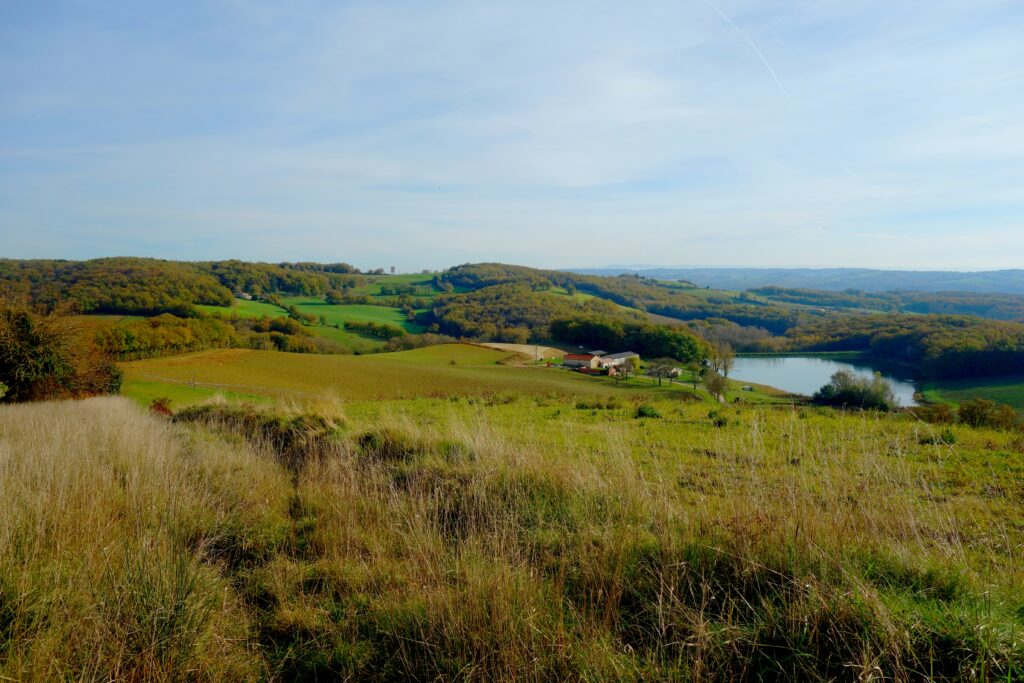
À Parisot, j’ai pris encore un peu de hauteur pour rejoindre Puybegon dont les montées sur route sont bien connues des cyclos du coin. J’aime beaucoup ce coin de Cocagne, très vallonné (les pentes affichent souvent des pourcentages au-delà des 10, 15 voire 20 %), très boisé, ce qui le rend préservé. L’activité agricole y est aussi bien présente, l’urbanisation y est diffuse, de grosses bâtisses parsèment les coteaux, demeures familiales agrandies au fur et à mesure avec l’augmentation de la descendance.
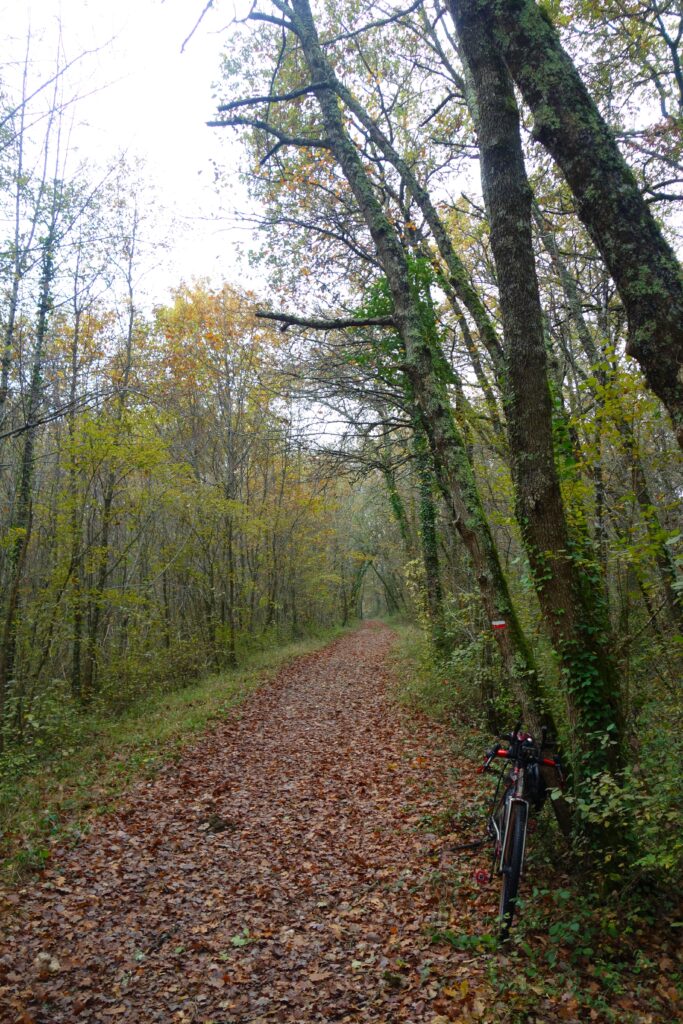
On trouve quelques très jolis chemins et pistes, certains balisés.
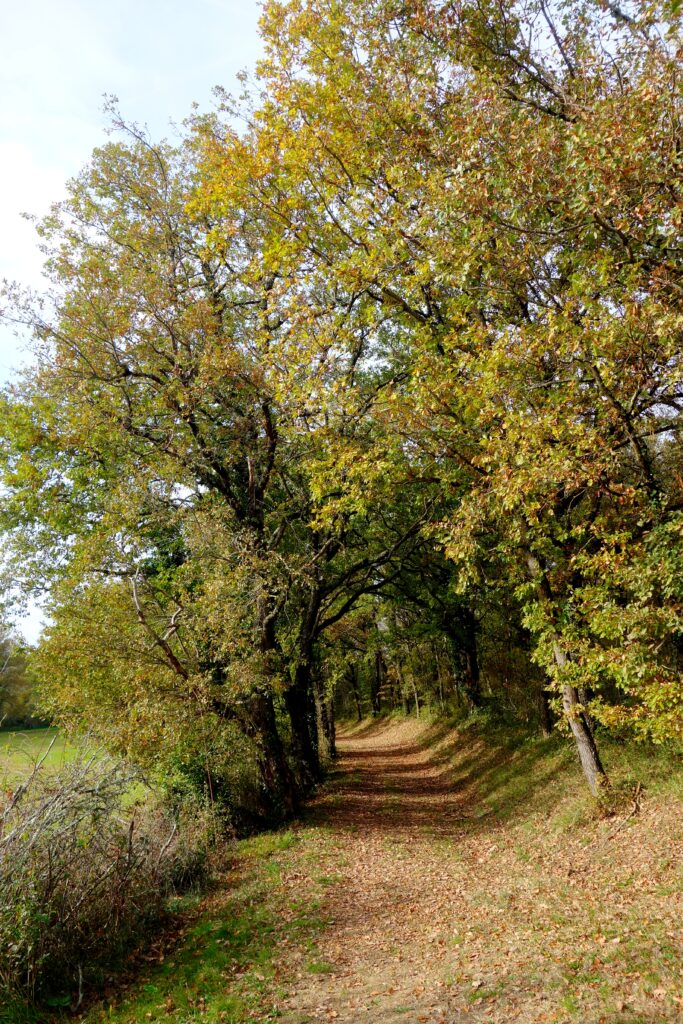
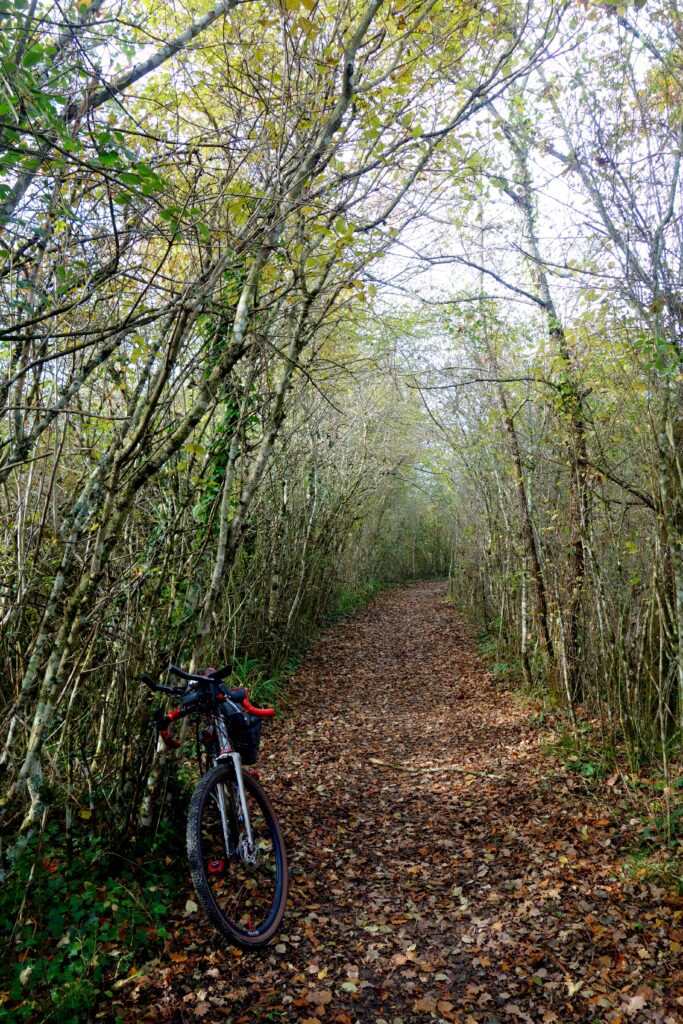
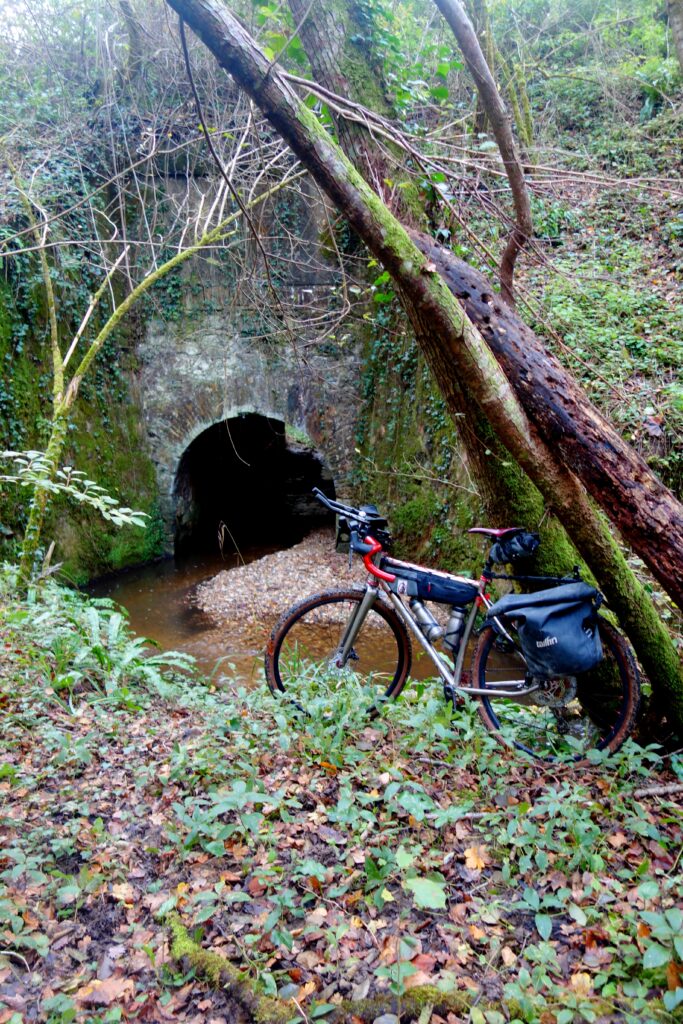
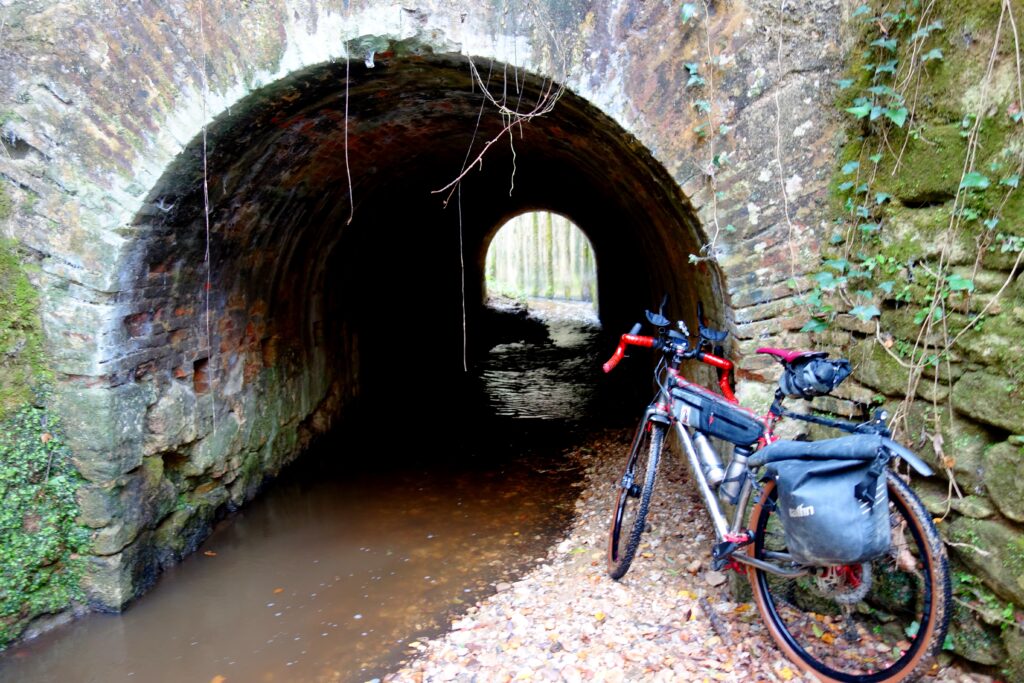
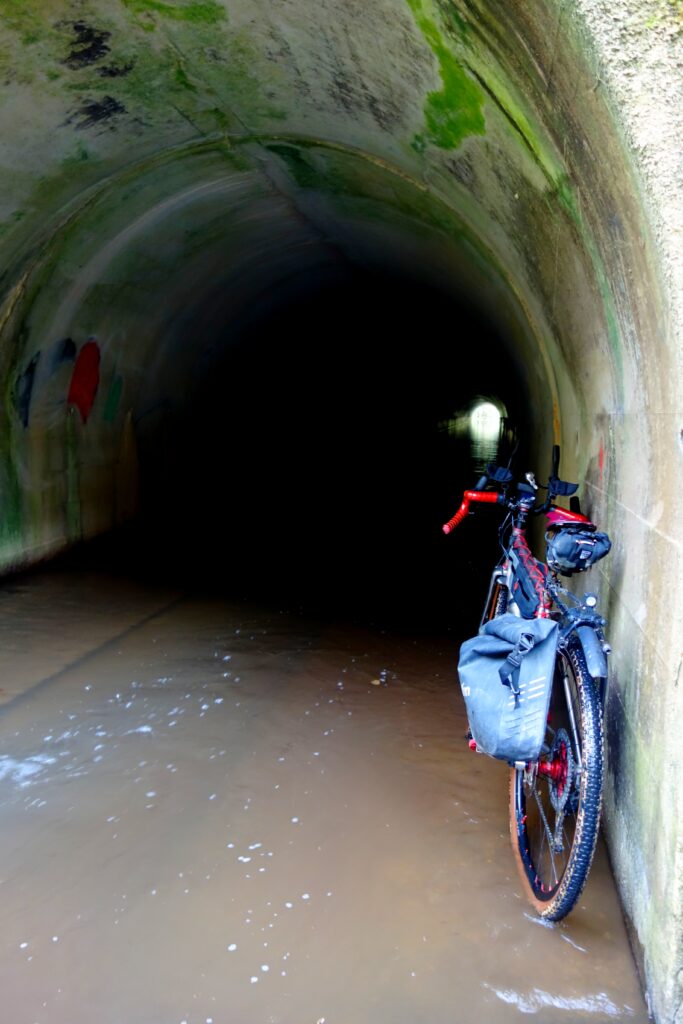
Comme je suis parti tard, je m’étais fixé Montans comme point le plus éloigné du jour et je voulais retrouver ce passage souterrain. J’ai retrouvé mais il a fallu bartasser un peu pour en sortir et le niveau d’eau était assez haut …
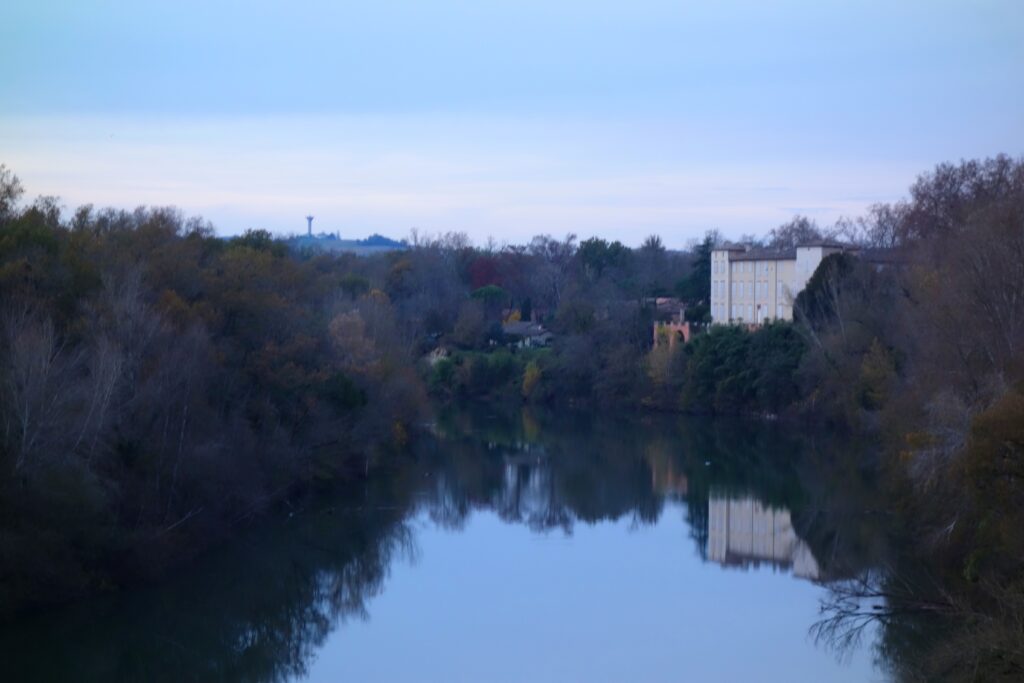
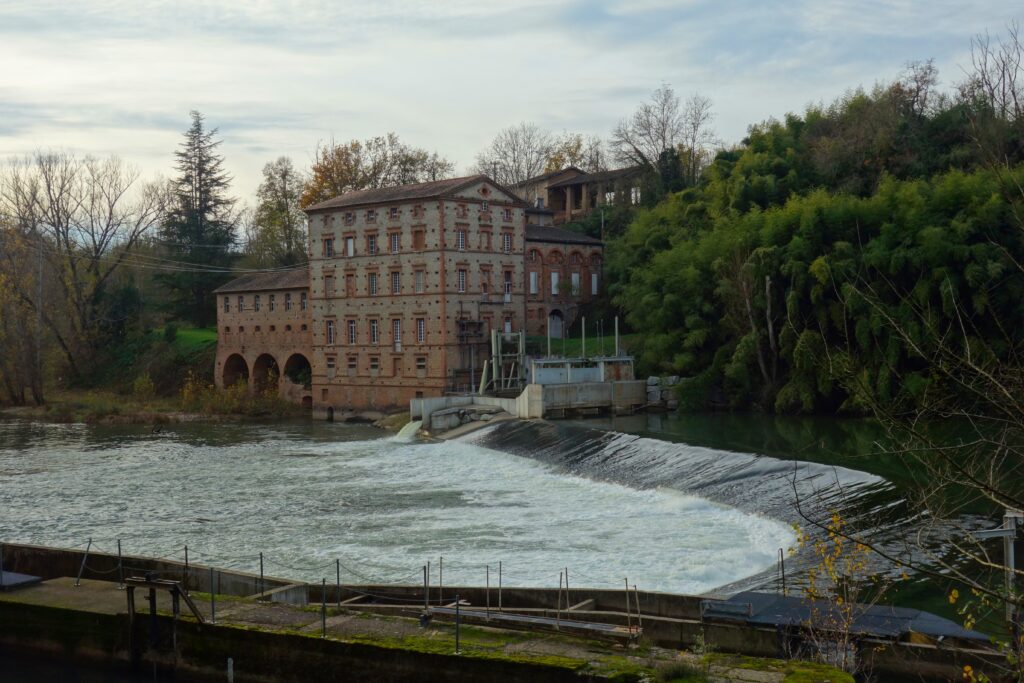
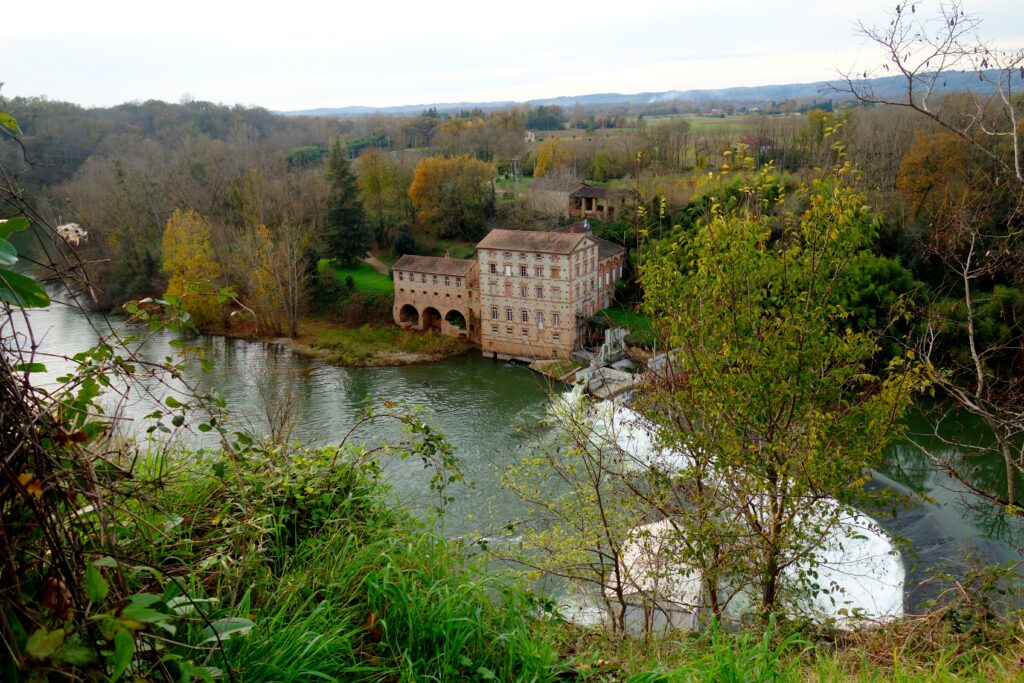
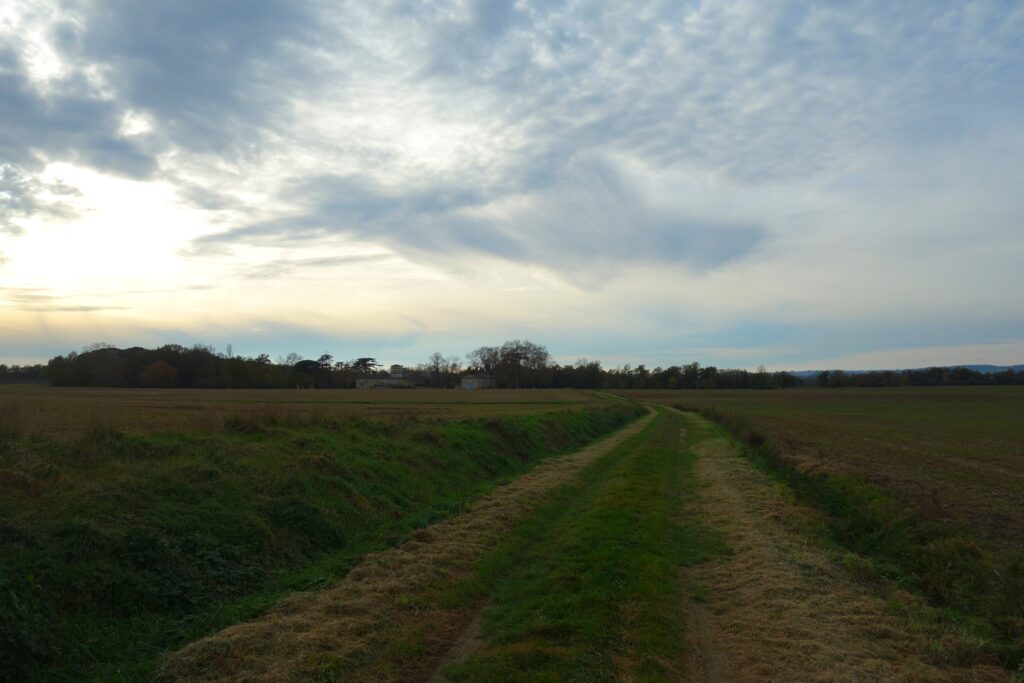
Pour le retour, j’ai d’abord rejoint Lisle-sur-Tarn par des pistes agricoles et ensuite je suis resté sur les petites routes au plus près du Tarn avec un belle trouvaille à Saint-Géry : un chemin aménagé le long du pont de la voie ferrée sur le Tarn.
Je suis ensuite repassé à Roquesérière pour rentrer.
Du gibier rencontré : chevreuils et faisans …
Les chevreuils ont un belle tâche de pelage blanc sur leur arrière-train, on pourrait croire que cela leur nuit, j’en ai vu un aujourd’hui uniquement à cause de cette tâche qui s’agitait dans un champ. Cette tâche qui a plusieurs utilités sert aussi à attirer l’éventuel prédateur sur une zone du corps non vitale. C’est aussi un signal d’alarme pour les autres : cette tâche est particulièrement visible quand l’animal lève la queue en cas de danger. Elle permet aussi aux individus d’un même groupe de se repérer et de maintenir un contact visuel.
Faisans sauvages, les individus lâchés eux ne cherchent pas à fuir …
La trace / The track : https://www.visugpx.com/Ajthxdf3wm
Gravel cycling or cyclo-gravel or cycling towards the Tarn – Also in French
I set off quite late for my ride. I had been wanting to go back to Montans, along the Tarn, for a while to find the underground canal that runs beneath the town. If you follow the route, it’s best to go in summer or early fall. This time, I got my feet wet and had a bit of a struggle… It’s fitting that the local mountain biking club is called “Les Bartassiers” (The Splashers) and organizes, or used to organize, a charity bike ride called “Rando du cœur” (Ride for the Heart) in this beautiful area. The atmosphere has always been very festive, and the proceeds have been donated to charities. I’ve had the opportunity to participate several times, but I don’t know if the event is still going on.
The Tarn valley is very agricultural, and there are rural and farm tracks where you can ride off-road. The valley offers bucolic rides through nature, agriculture (including the Gaillacois vineyards), and history, with many towns rich in heritage (Montauban, Saint-Sulpice, Rabastens, Lisle-sur-Tarn, Gaillac Albi, and others in this area near the Toulouse metropolitan area).
I chose to start by heading towards Agout and Giroussens, via Roquesérière, a section of the GR 46, Lugan, and Saint-Lieux-les-Lavaur, alternating between trails, paths, and small roads with uneven asphalt, which is what I look for when I go cycling.
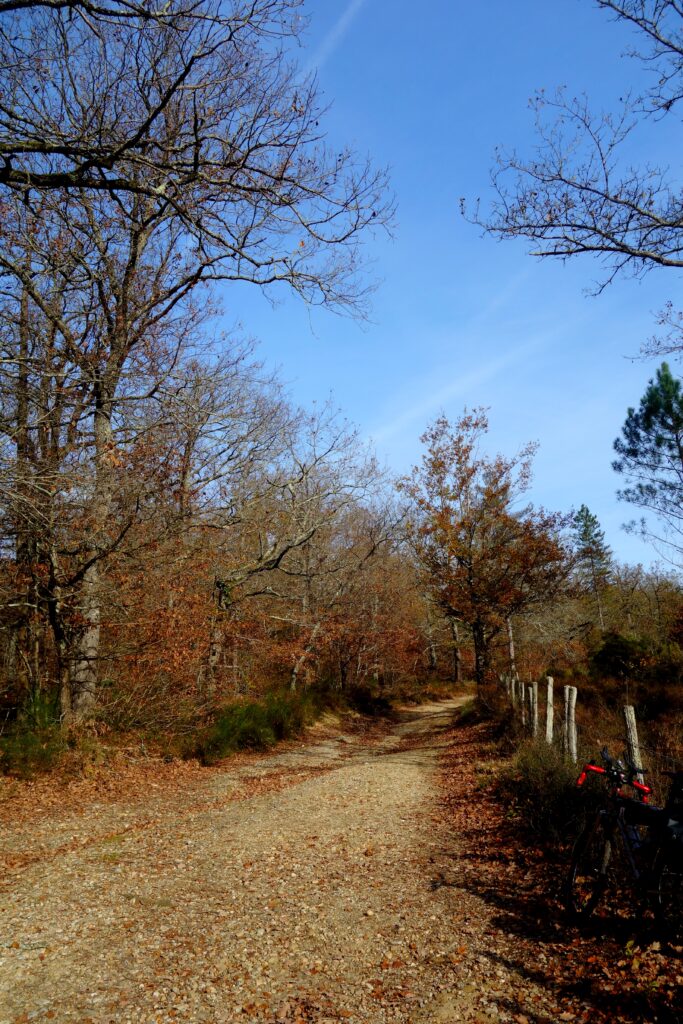
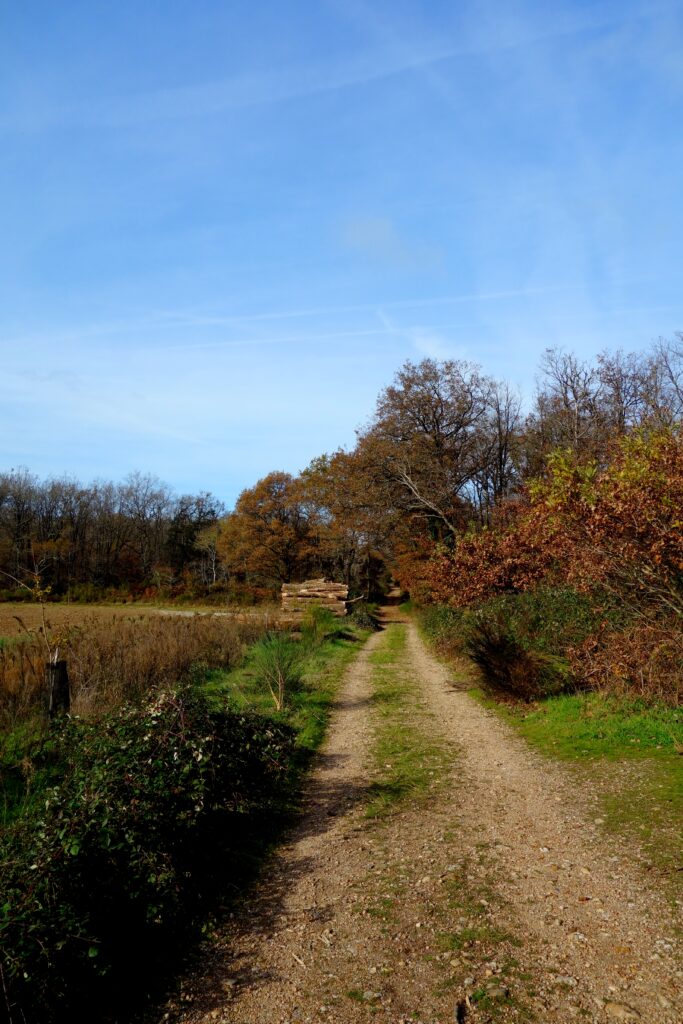
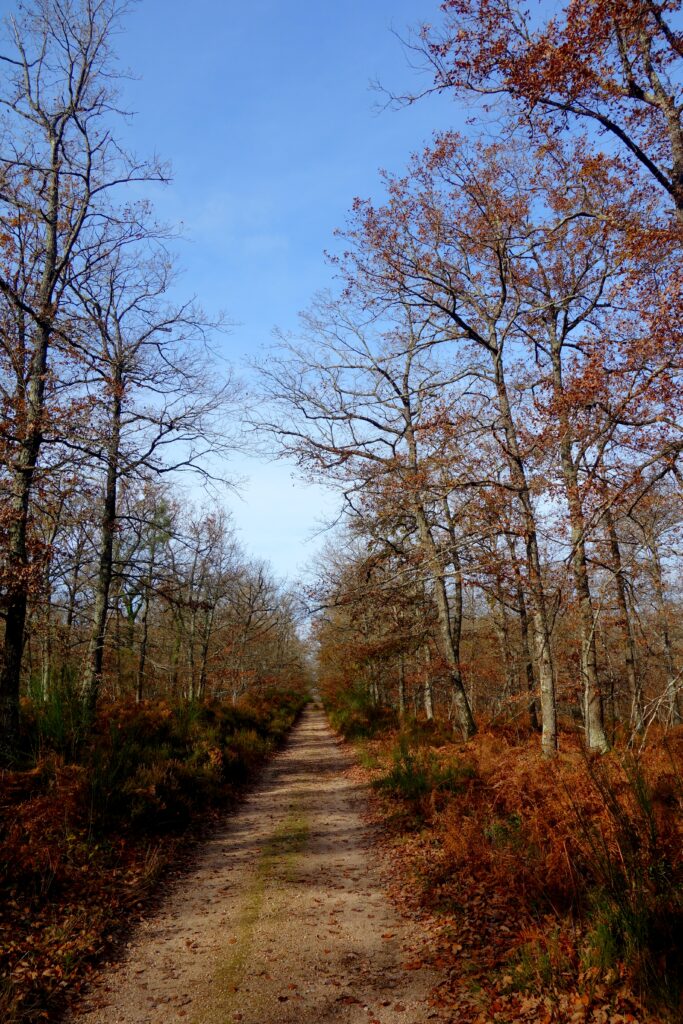
At Parisot, I climbed a little higher to reach Puybegon, whose road climbs are well known to local cyclists. I really like this corner of Cocagne, which is very hilly (the slopes often have gradients of over 10, 15, or even 20%) and heavily wooded, making it unspoiled. Agricultural activity is also very present here, urbanization is scattered, and large buildings dot the hillsides, family homes that have been enlarged over time as the number of descendants has increased.
There are some very pretty paths and trails, some of which are marked.
As I left late, I had set Montans as the furthest point of the day and wanted to find that underground passage again. I found it, but I had to wade through it a bit to get out and the water level was quite high…
For the return trip, I first reached Lisle-sur-Tarn via farm tracks and then stayed on the small roads closest to the Tarn, making a nice discovery in Saint-Géry: a path along the railway bridge over the Tarn.
I then passed through Roquesérière again on my way home.
Wildlife encountered: deer and pheasants…
Deer have a beautiful white patch of fur on their hindquarters. You might think this would be a disadvantage, but I spotted one today solely because of this patch, which was moving around in a field. This patch has several uses, including attracting potential predators to a non-vital area of the body. It also serves as a warning signal to others: this patch is particularly visible when the animal raises its tail in case of danger. It also allows individuals within the same group to locate each other and maintain visual contact.
Wild pheasants, once released, do not try to flee…
Translated with DeepL.com (free version)