Le (vraiment) tout dernier chapitre de cette thématique du « Tout Toulouse ou (vraiment) presque » … Pour aller chercher ces derniers kilomètres non encore parcourus il a fallu repasser par pas mal d’endroits déjà explorés … J’aurais pu procéder façon tournée de facteur : rue par rue, quartier par quartier. J’ai travaillé plusieurs étés comme facteur, la tournée s’organisait ainsi rue par rue, en tricotant (dans l’ordre des numéros, on change de trottoir sans arrêt) ou alors en distribuant d’abord dans les boîtes aux lettre des numéros pairs (ou impairs) puis impairs (ou pairs, un côté puis l’autre). Dans ce dernier cas, je pouvais revenir dans la même rue un moment après mon premier passage car j’allais faire d’autres rues avant de revenir faire un côté, ça cassait certaines habitudes d’usagers qui attendait à heure fixe leur courrier, le facteur étant vecteur de lien social. J’ai procédé par quartiers et par directions cardinales, mais j’ai tracé les premières prospections avec une contrainte : que ma trace ne recoupe pas le trajet effectué, donc pas d’aller et retour, pas de croisement de trace, donc des rues laissées de côté … Un très bon rapport kilomètres parcourus pour la première fois / distance totale. Pour la deuxième fournée, je suis allé chercher les rues non encore parcourues et là j’ai dû passer par pas mal d’endroits déjà roulés. J’en ai quand remis une dernière couche avec ces « Toulouse endest » mais j’arrête vraiment là cette thématique. Je n’arrêterai pour autant pas de rouler dans la ville, j’y reviendrai pour d’autres thématiques ou pour flâner en ville, tout simplement, le vélo est un bon moyen de découvrir une ville.
Pas facile de tenir un certain rythme avec tous ces changements de direction et les signalisations, j’ai déjà écrit que j’étais assez respectueux des signalisations tricolores et des autres. Le week-end, il y a moins de circulation en ville (quoique, en certains endroits), c’est aussi pour cela et pour mieux profiter que j’y roule le week-end. Le samedi est à proscrire pour le centre-ville …
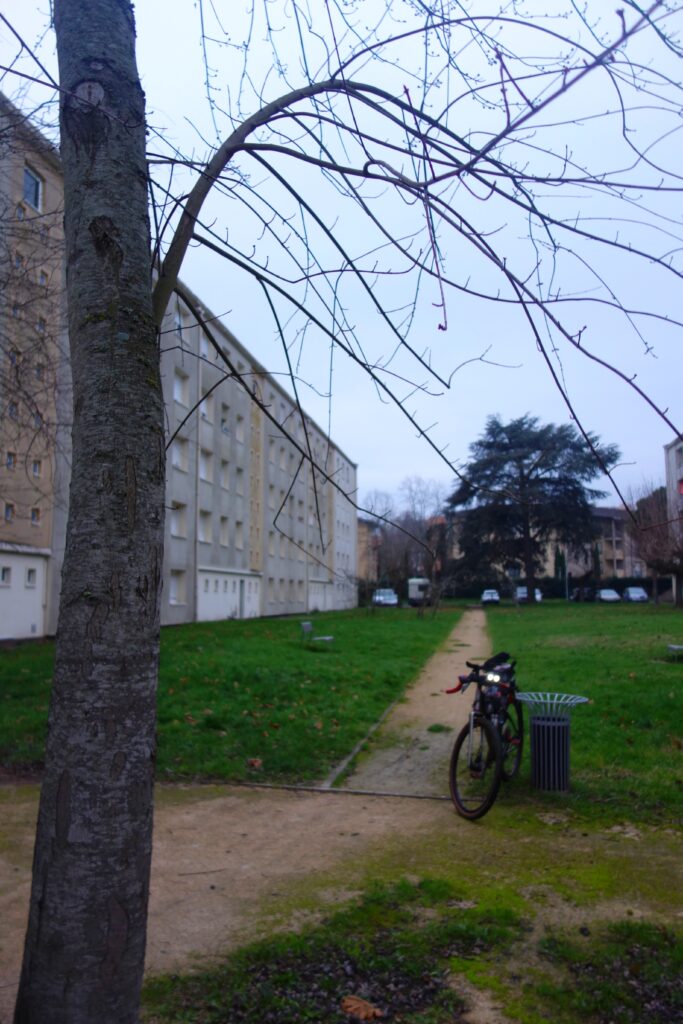
J’ai regrimpé Jolimont sans passer à la colonne commémorant la bataille napoléonienne du 18 avril 1814 face aux armées combinées anglaises, espagnoles et portugaises, conduites par le Duc de Wellington. Bataille qui opposa 42 000 soldats de l’armée française à 52 000 soldats ennemis et fit tout de même quelques morts mais qui historiquement et politiquement ne servit à rien puisqu’il n’y eut officiellement ni vaincus ni vainqueurs …
J’ai retraversé la Cité Amouroux où j’ai fait ma scolarité primaire à Michoun, ma mère y était enseignante, mes grands-parents y ont habité après leur appartement Avenue de Lyon, le quartier a été rasé depuis dans le cadre du projet mégalomaniaque de la Tour Occitane de 150 m de haut qui sera la plus haute tour en France hors Paris, une grosse verrue dans la ville …
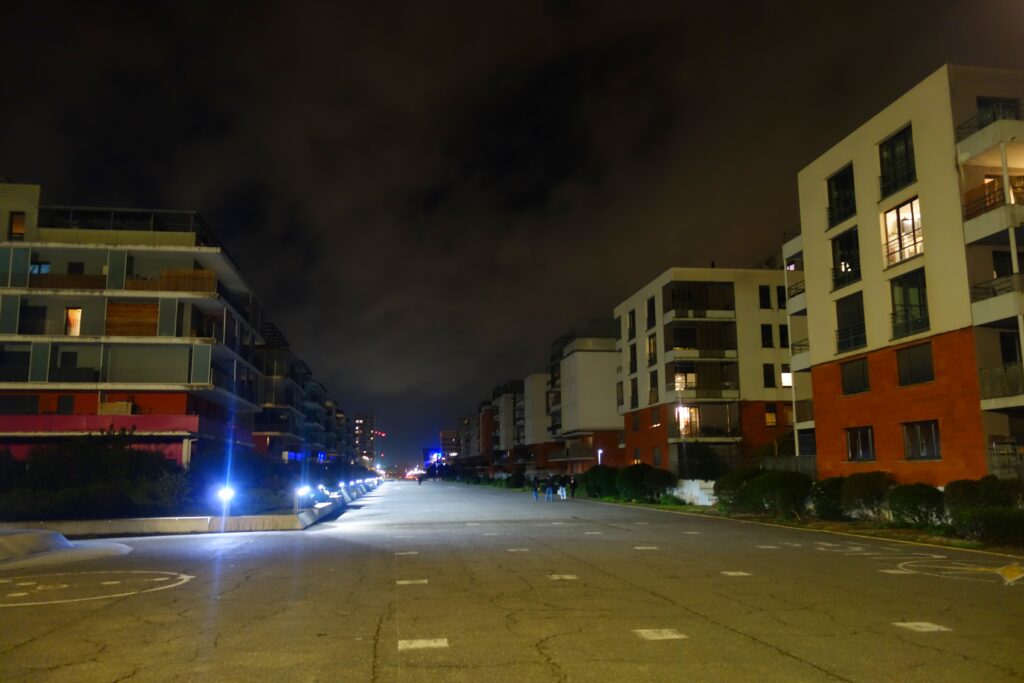
Je suis ensuite allé chercher quelques rues au Nord puis à l’Ouest avant de revenir vers le centre d’abord du côté de la Cartoucherie puis dans le centre historique.
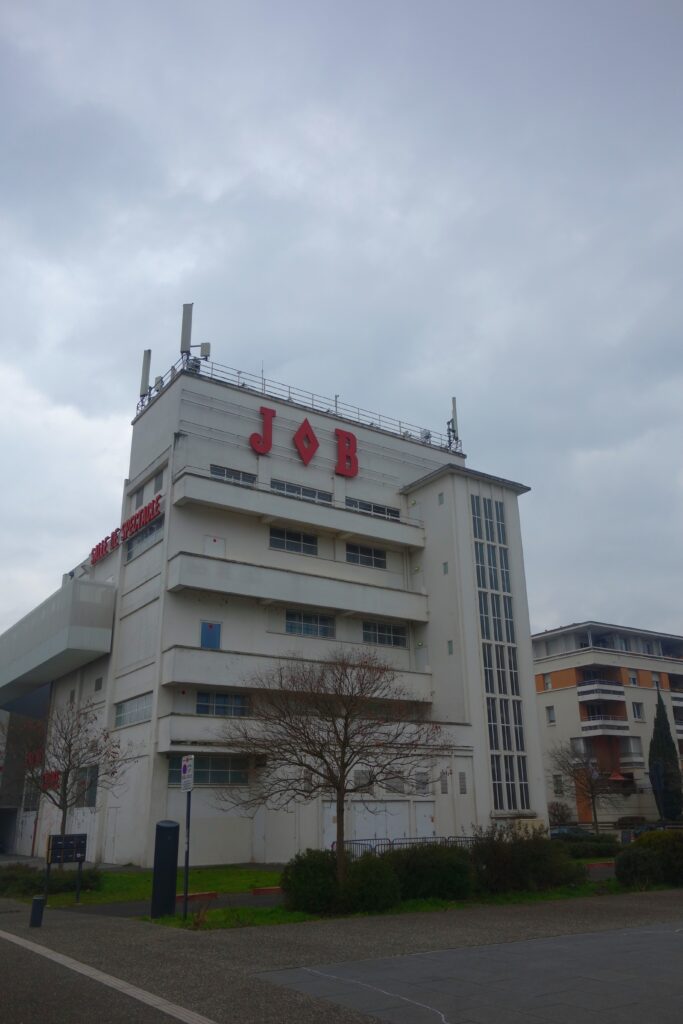
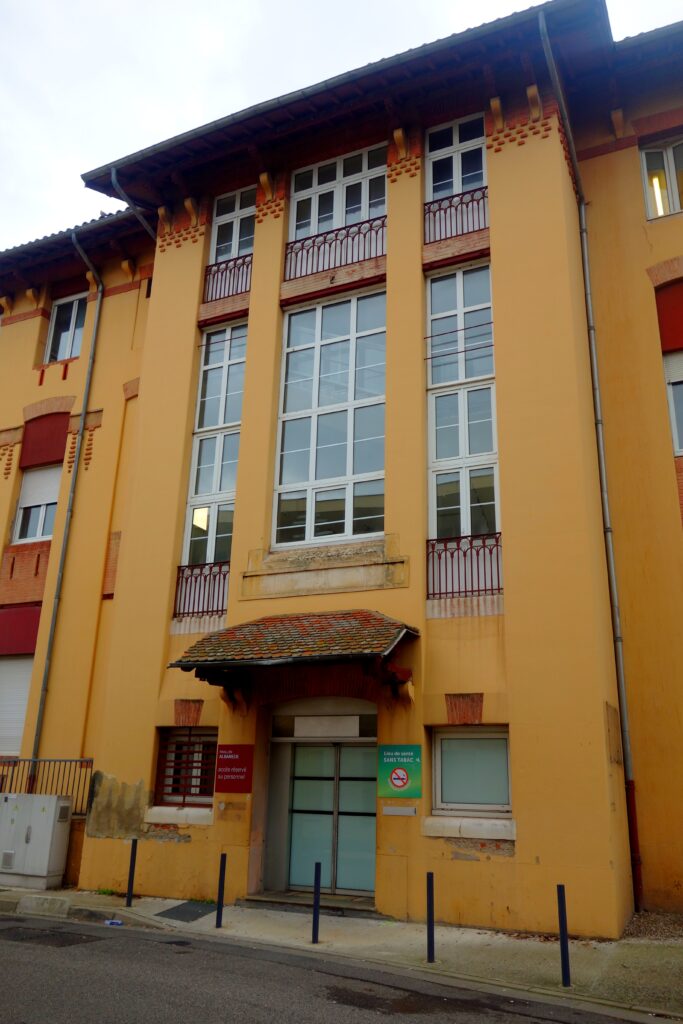
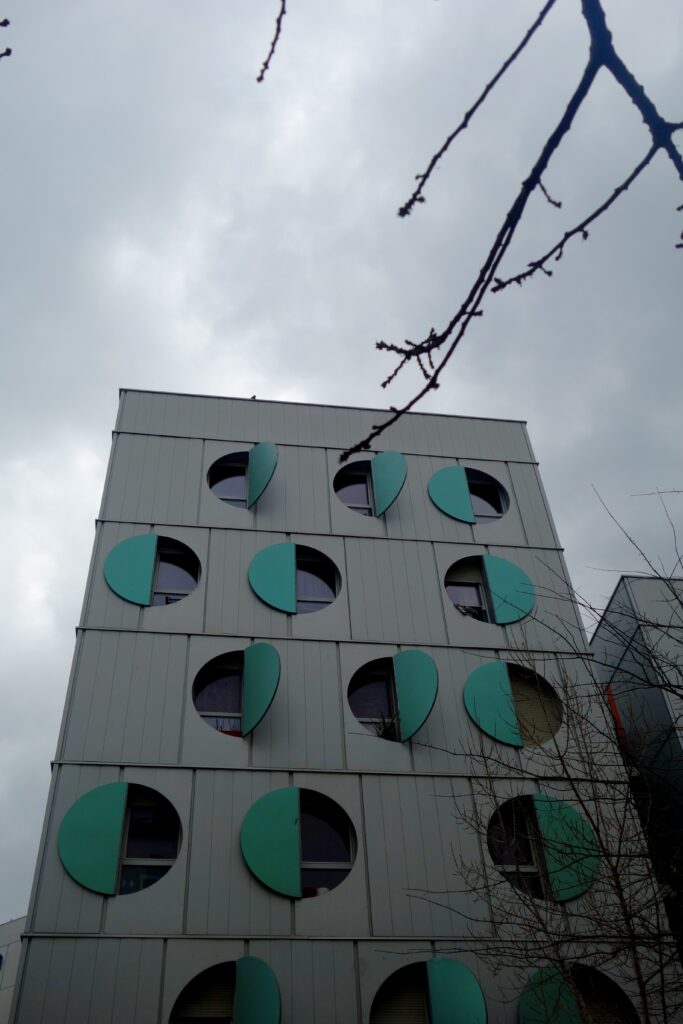
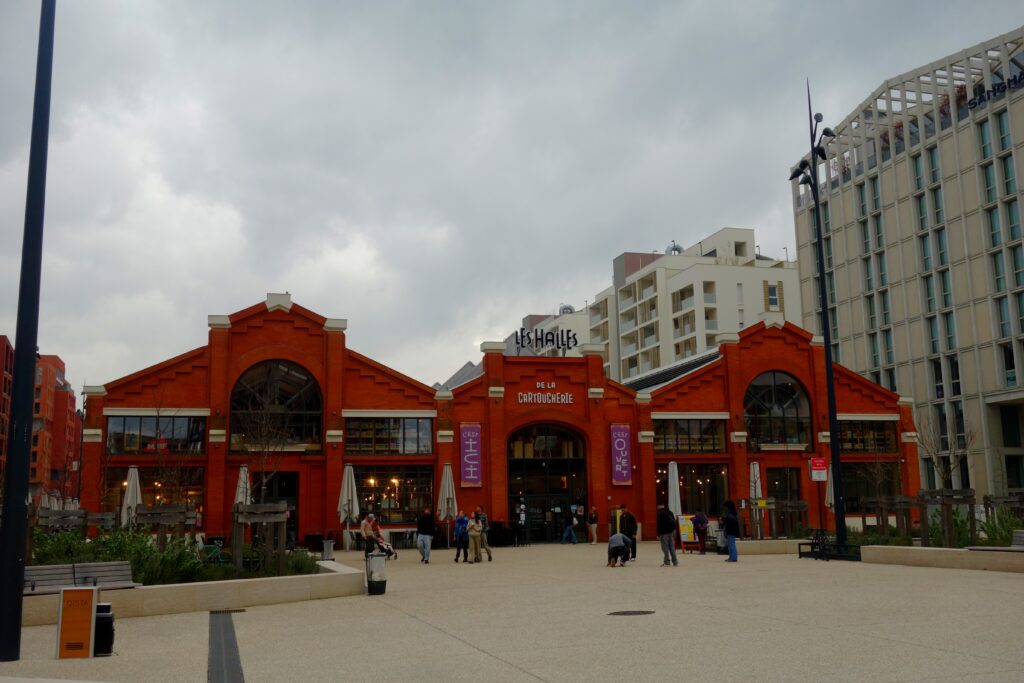
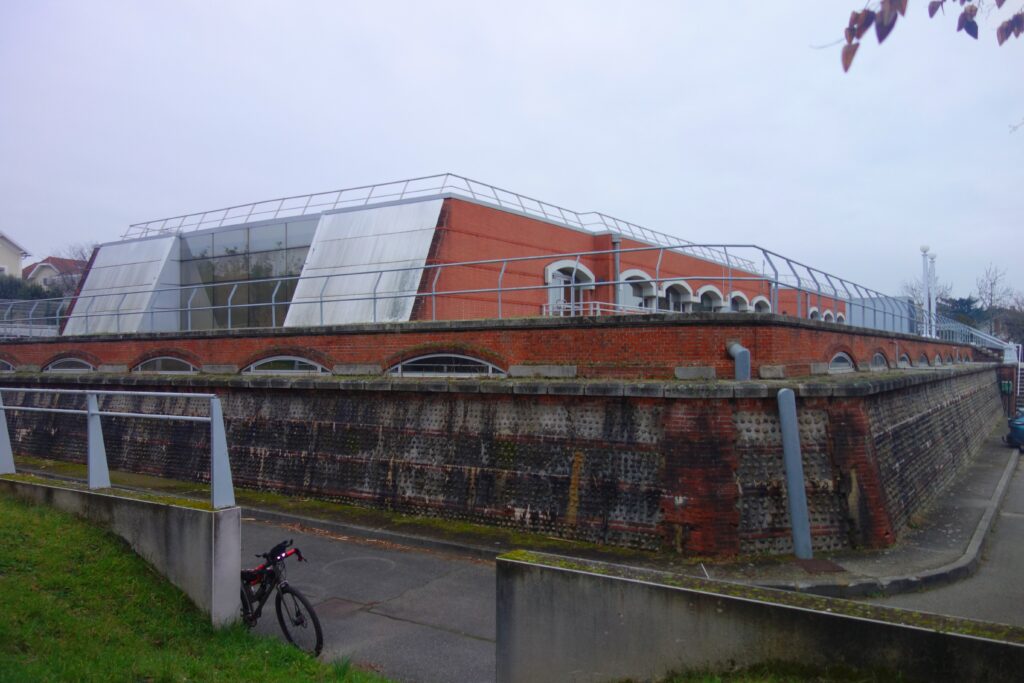
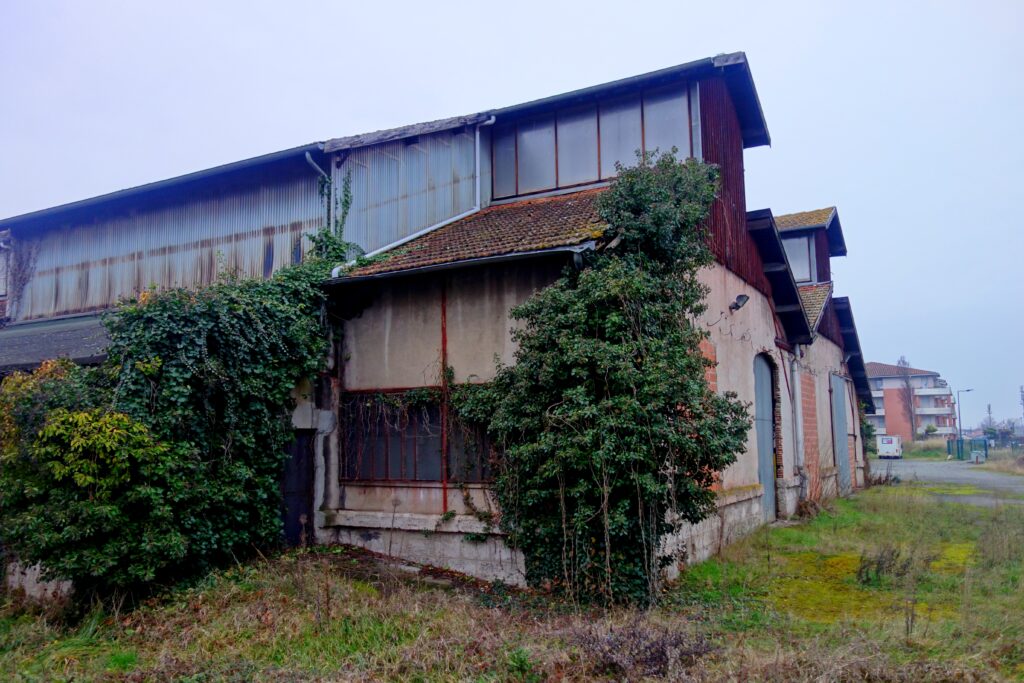
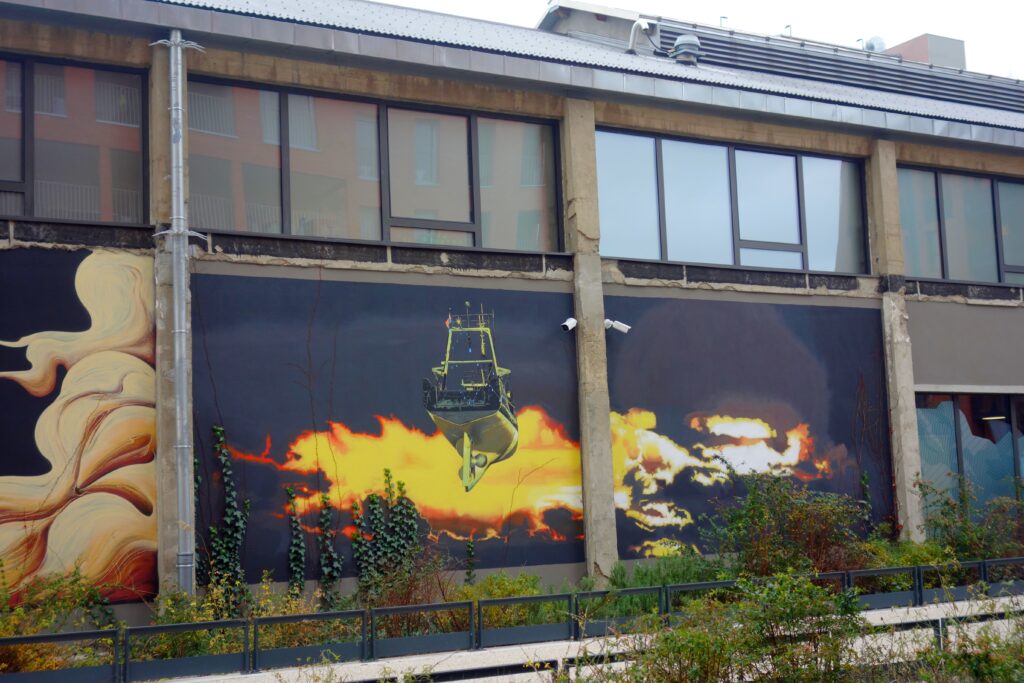
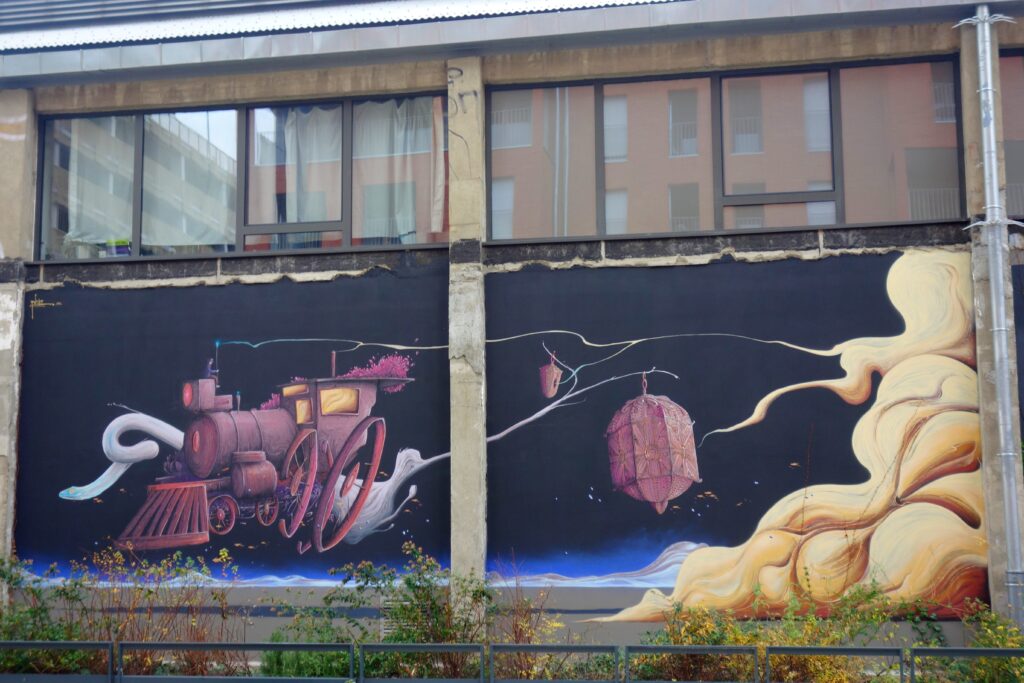
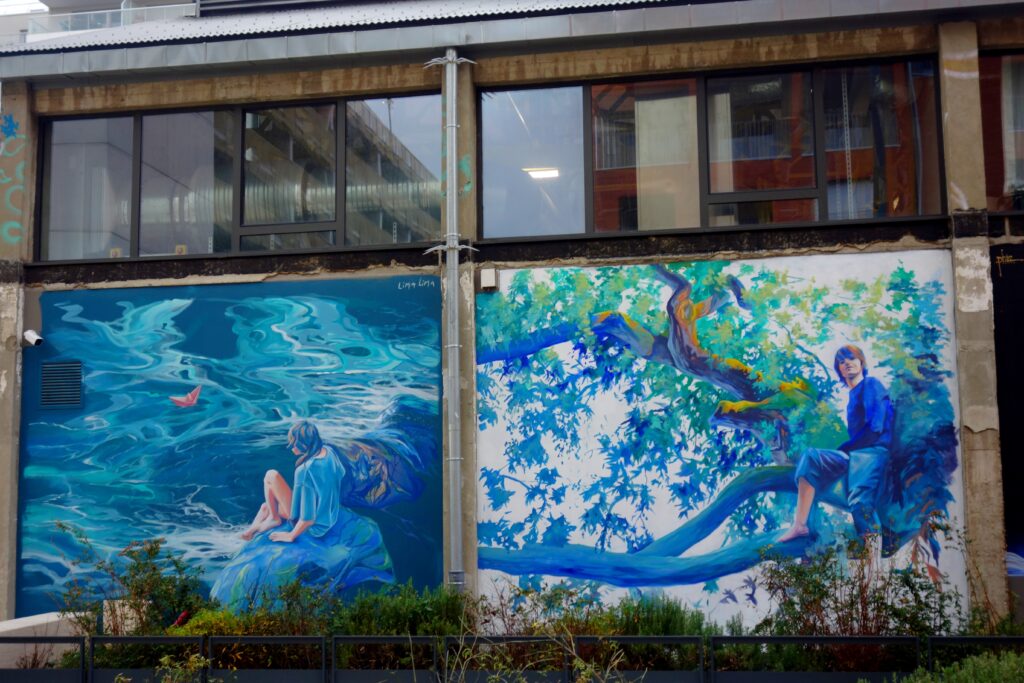
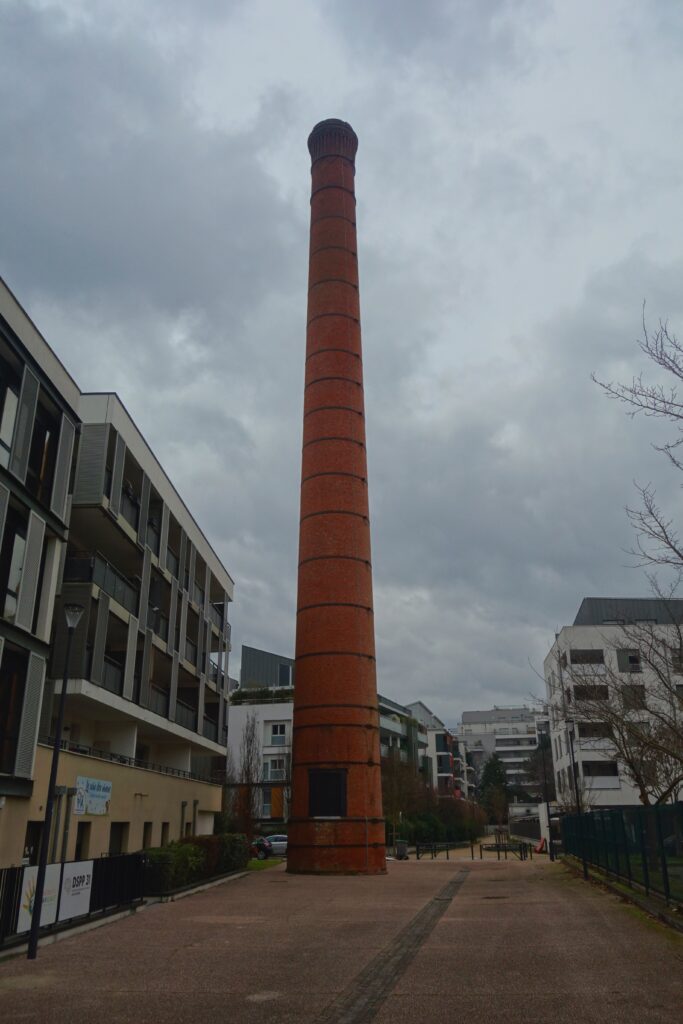
La Cartoucherie doit son nom, c’est beaucoup moins original que l’origine du quartier des Trois Cocus, à l’ancienne cartoucherie militaire qui y fut implantée à la fin du XIXᵉ siècle. À partir des années 1880, l’État choisit ce vaste secteur alors peu urbanisé pour y installer une usine destinée à la fabrication de munitions pour l’armée française. La Cartoucherie de Toulouse devient rapidement un site industriel stratégique, employant plusieurs milliers d’ouvriers, notamment lors de la Première Guerre mondiale, période durant laquelle la production est fortement intensifiée.
Au fil du XXᵉ siècle, l’usine rythme la vie locale et marque durablement le paysage urbain avec ses grandes halles métalliques et ses bâtiments industriels. Pendant la Seconde Guerre mondiale, le site est réquisitionné puis reprend une activité plus réduite dans l’après-guerre. À partir des années 1960-1970, la baisse des besoins militaires et la modernisation de l’industrie de l’armement entraînent un lent déclin du site. Les activités cessent progressivement, jusqu’à la fermeture définitive au début des années 2000.
Laissé en friche pendant plusieurs années, le site a été plus récemment réhabilité, certains diront boboïsé ou gentrifié, les Halles de la Cartoucherie sont un lieu aujourd’hui très prisé pour ses restaurants ou ses manifestations culturelles, « a place to be ». Sous couvert de réhabilitation, de renouveau, Toulouse, comme d’autres grandes villes pratique la gentrification des quartiers anciennement populaires ou ouvriers et trie sa nouvelle population, repoussant vers l’extérieur de la ville (ou plus loin encore) les populations les moins aisées …
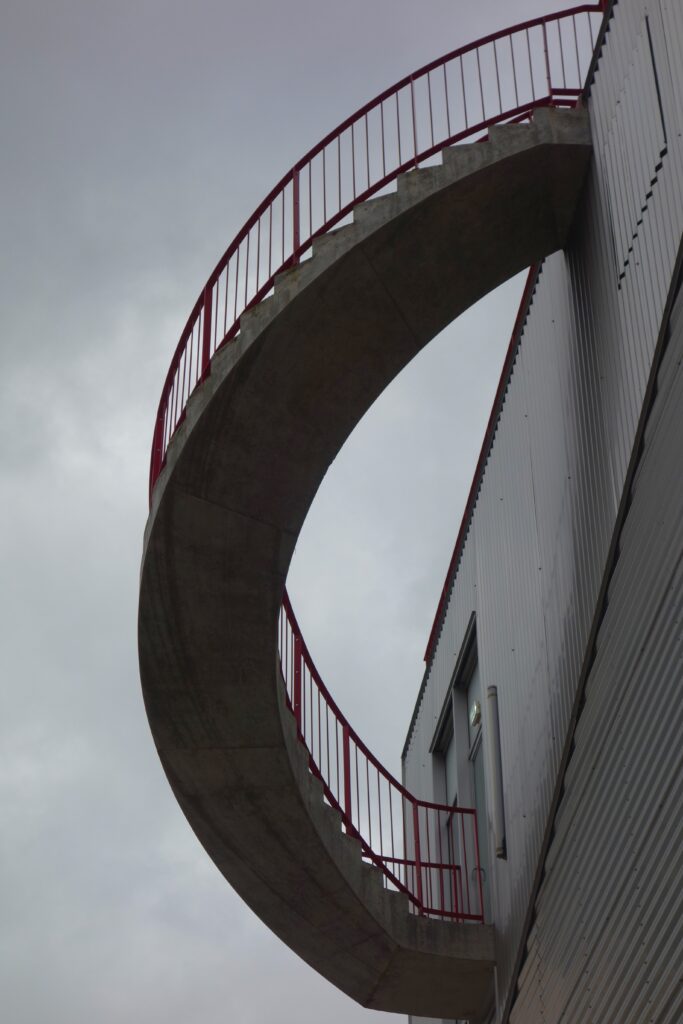
La tauromachie était très développée dans le Sud-Ouest, Toulouse aussi a eu ses arènes (je ne parle pas des arènes romaines dont il reste des vestiges entre Purpan et Ancely), les plus grandes après Nîmes, avec environ 14 000 places. Les activités ont progressivement diminué à partir de 1976 et elles ont été détruites en 1990. Le Lycée des Arènes y a aujourd’hui sa place, avec sa forme ronde … D’où le nom aussi du quartier éponyme.
Pas très original non plus, la Place du Fer à Cheval tient bien son nom de sa forme en demi-cercle, pas d’écurie royale ou de maréchal-ferrant, l’hippodrome est plus loin, c’est l’un est l’un des plus anciens et prestigieux lieux de courses hippiques de France, inauguré en 1866.
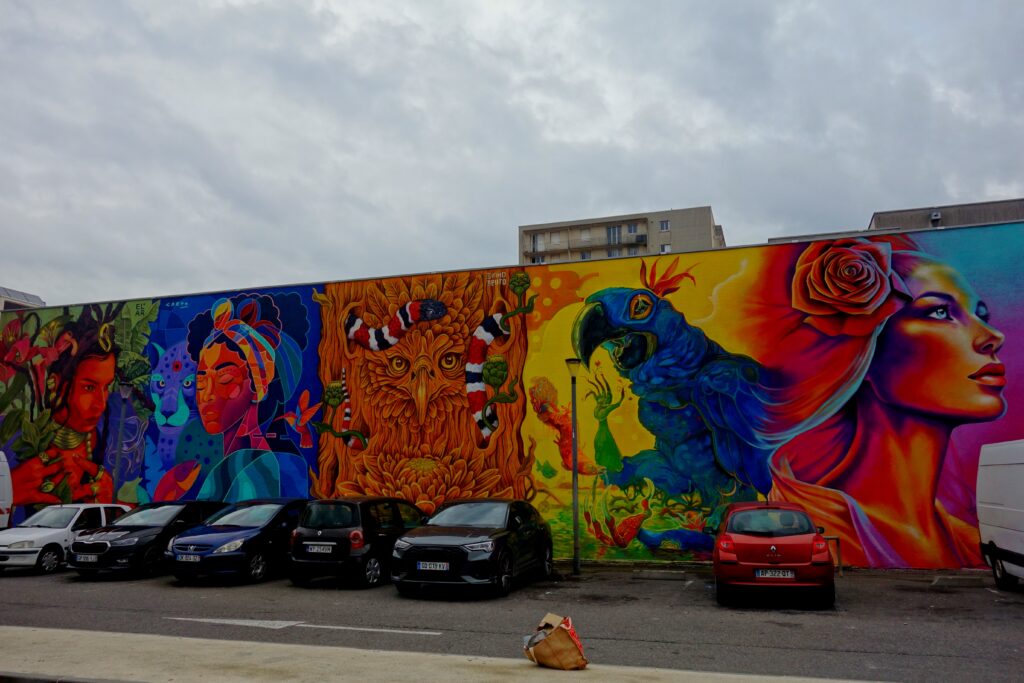
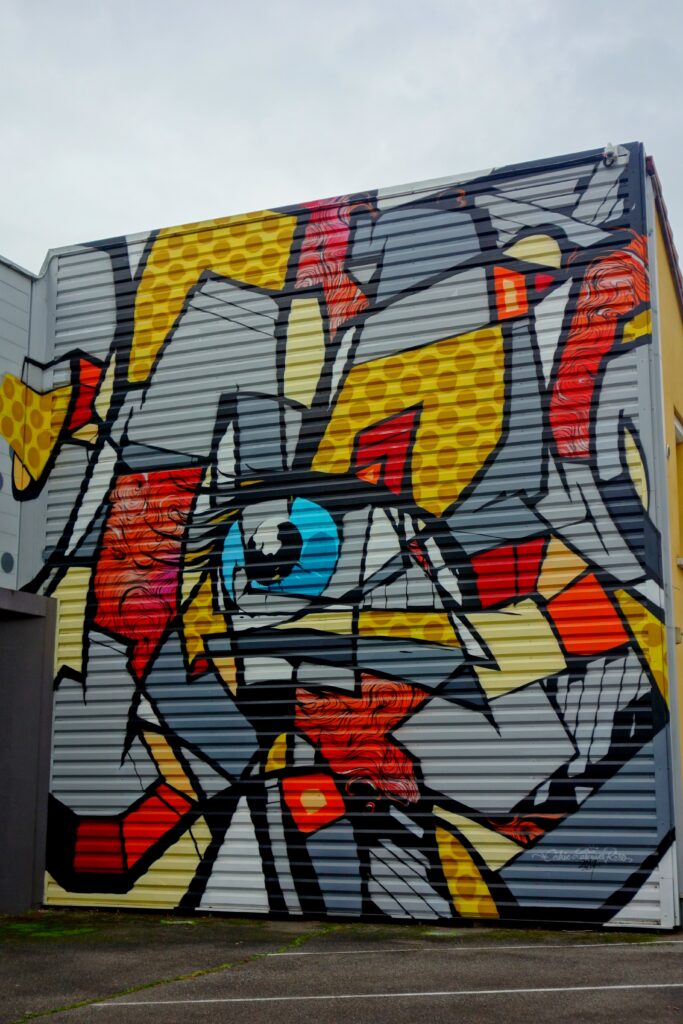
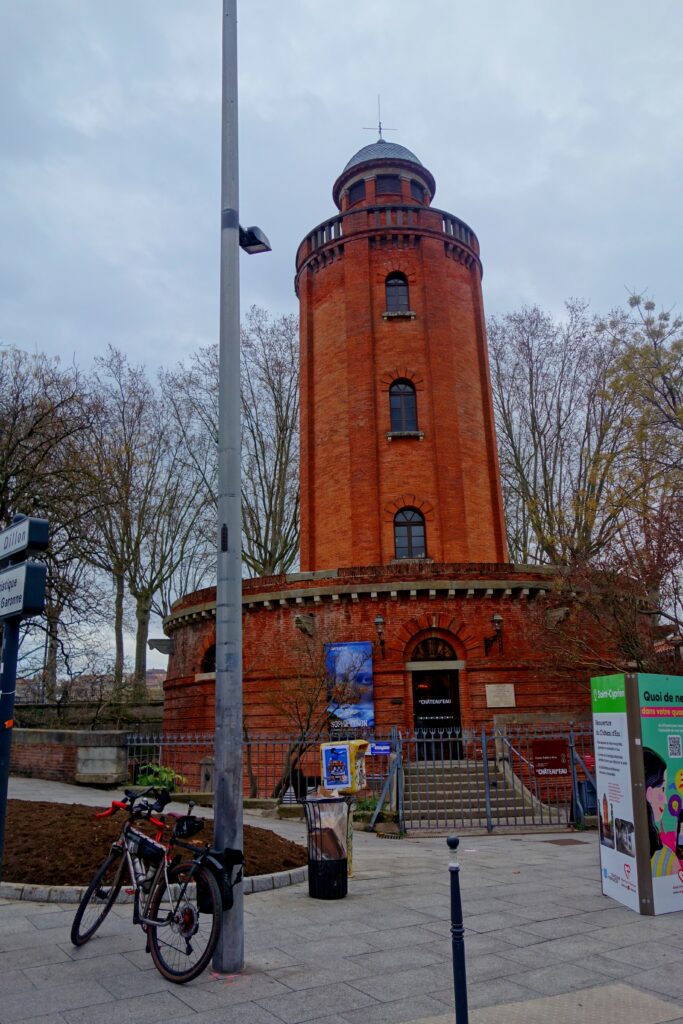
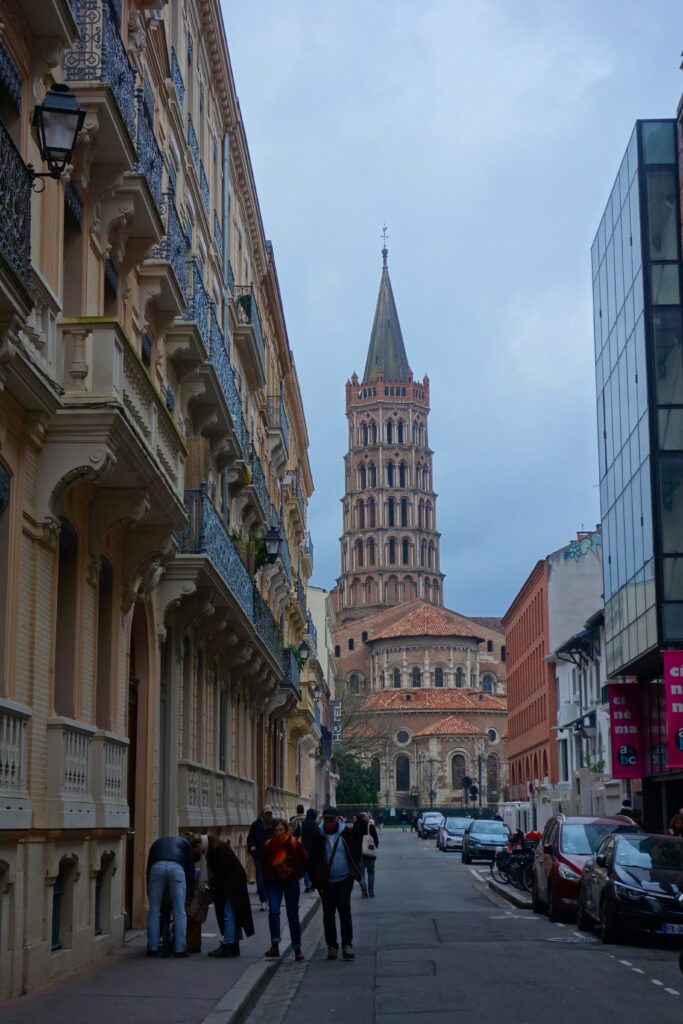
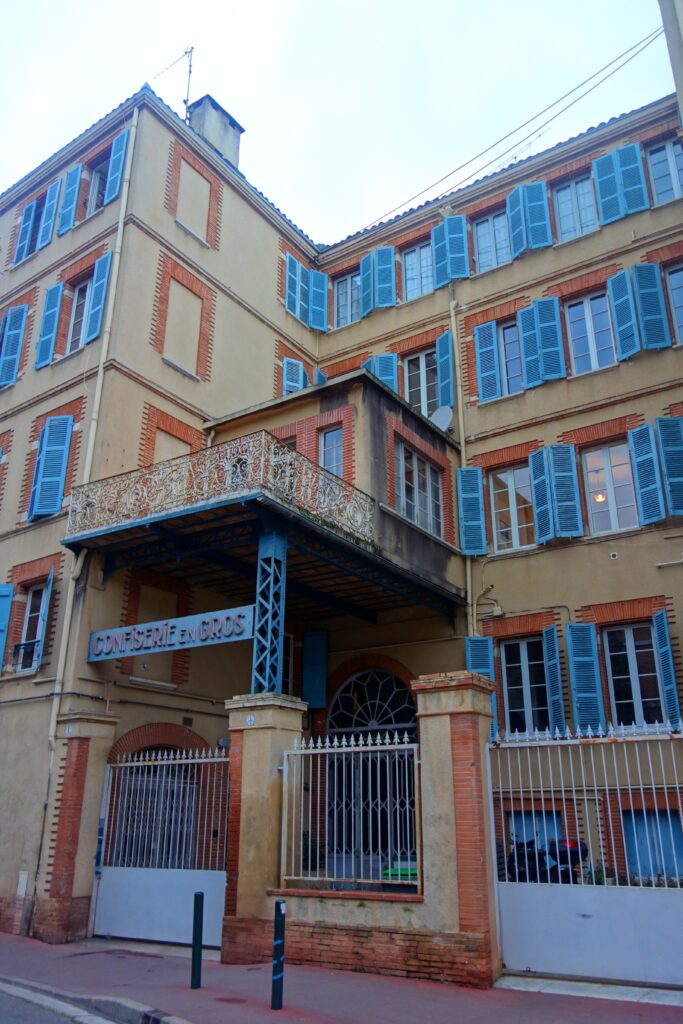
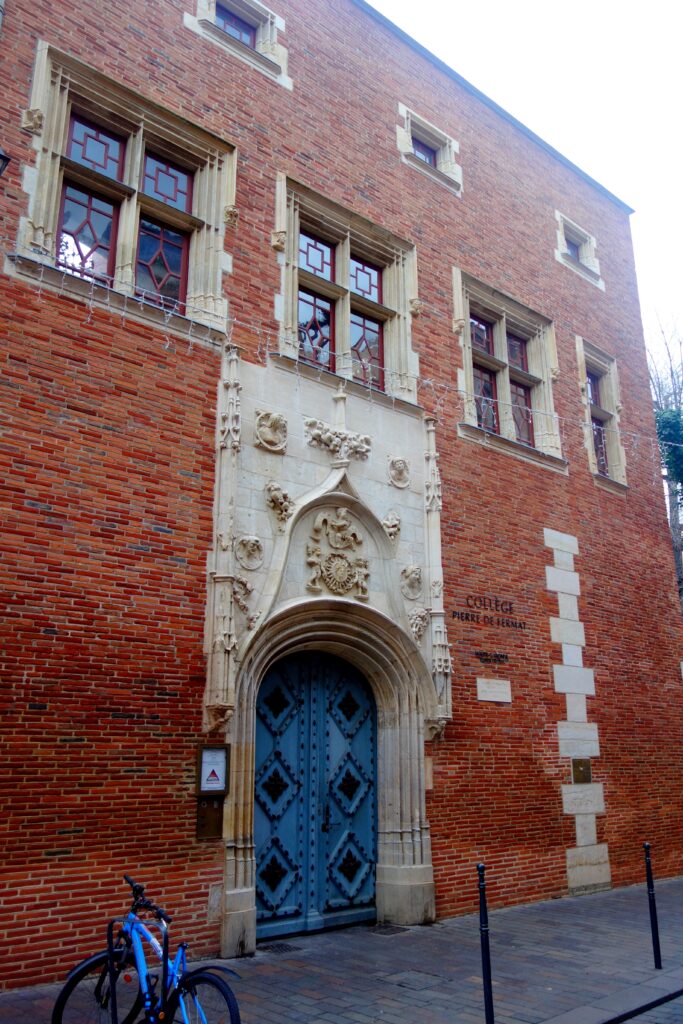
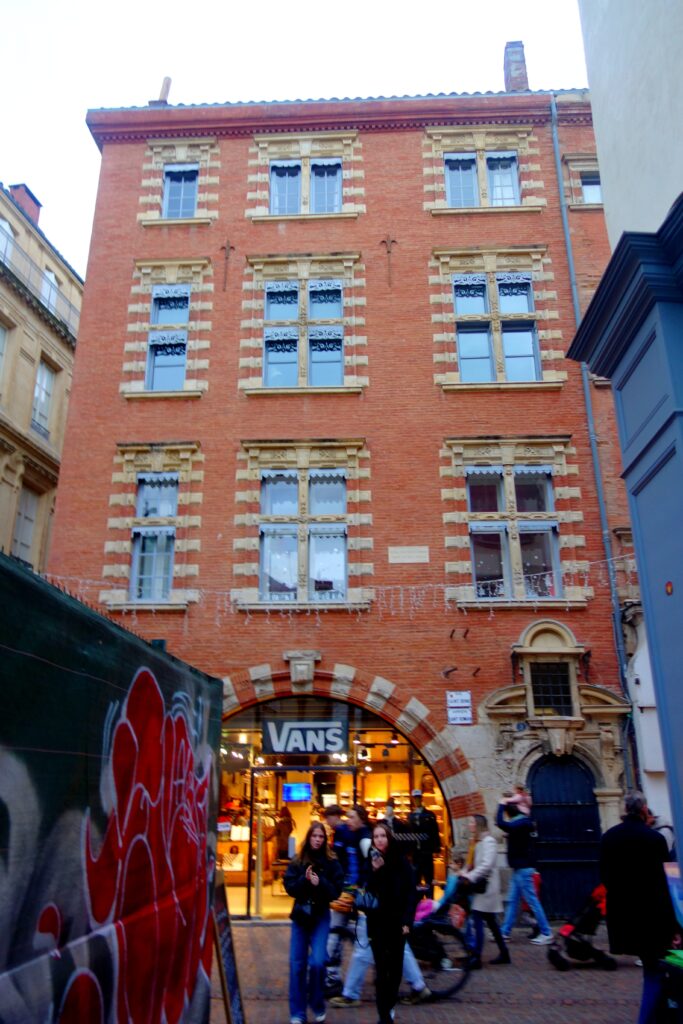
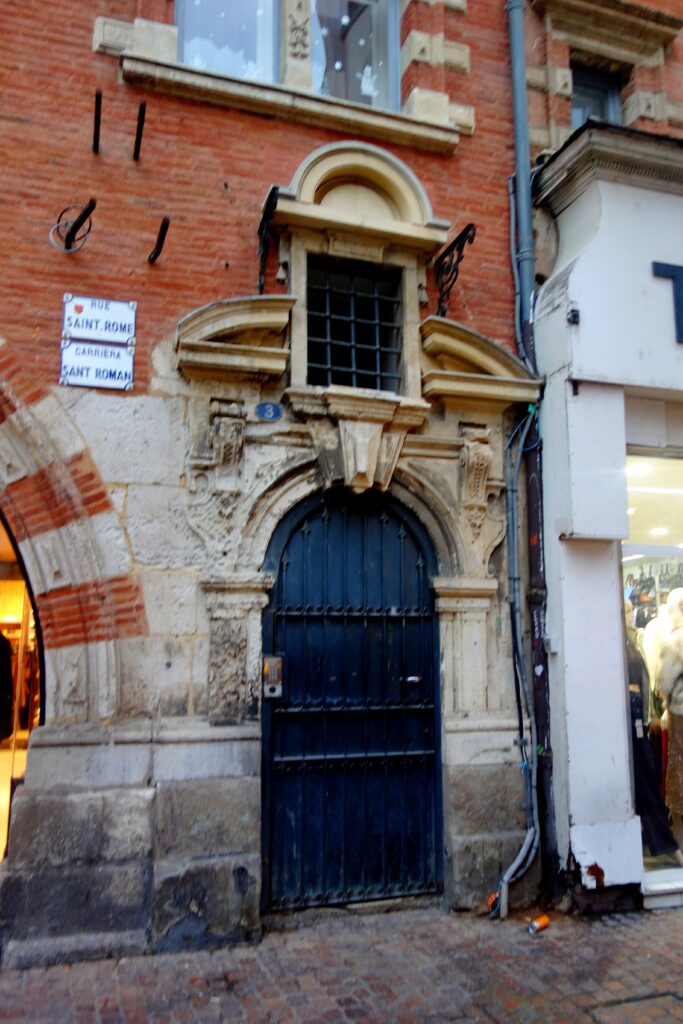
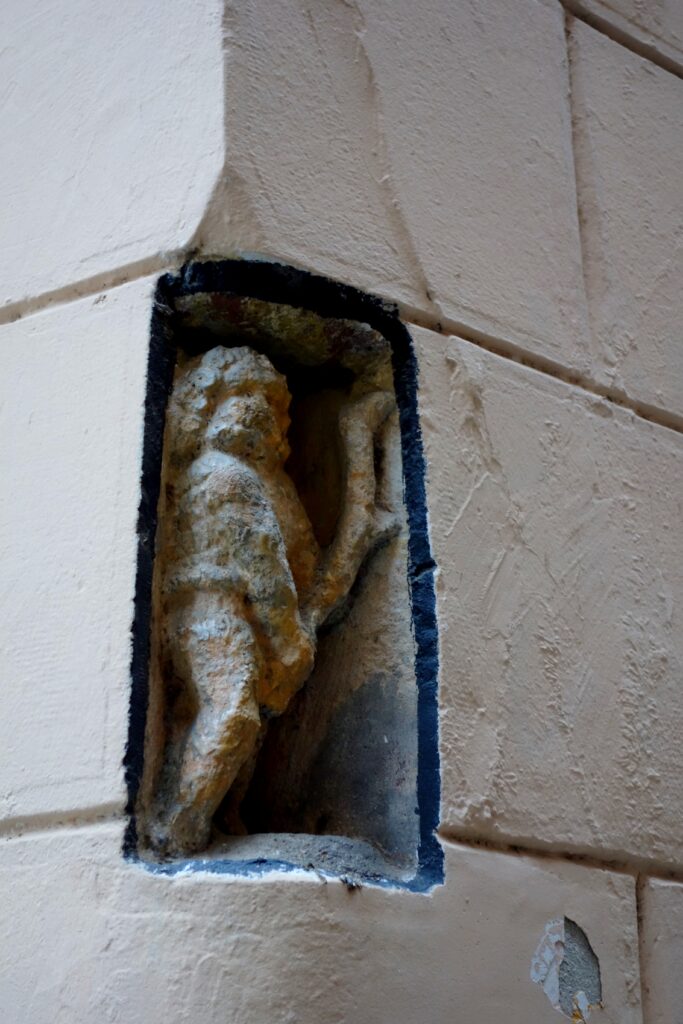
Il y a tellement à raconter sur le centre historique de Toulouse … Soyez rassurés, je ne vais citer que la Rue de l’Homme Armé, d’abord appelée Rue du Sauvage, nom donné en allusion à la petite statue qu’y fit sculpter à a fin du XVème Peyronet Delfau, représentant un « sauvage armé d’une massue », pour servir d’enseigne à une de ses auberges, très nombreuses à l’époque dans ce quartier. Nombreux Toulousains passent devant la statuette sans lever la tête et sans connaître son histoire.
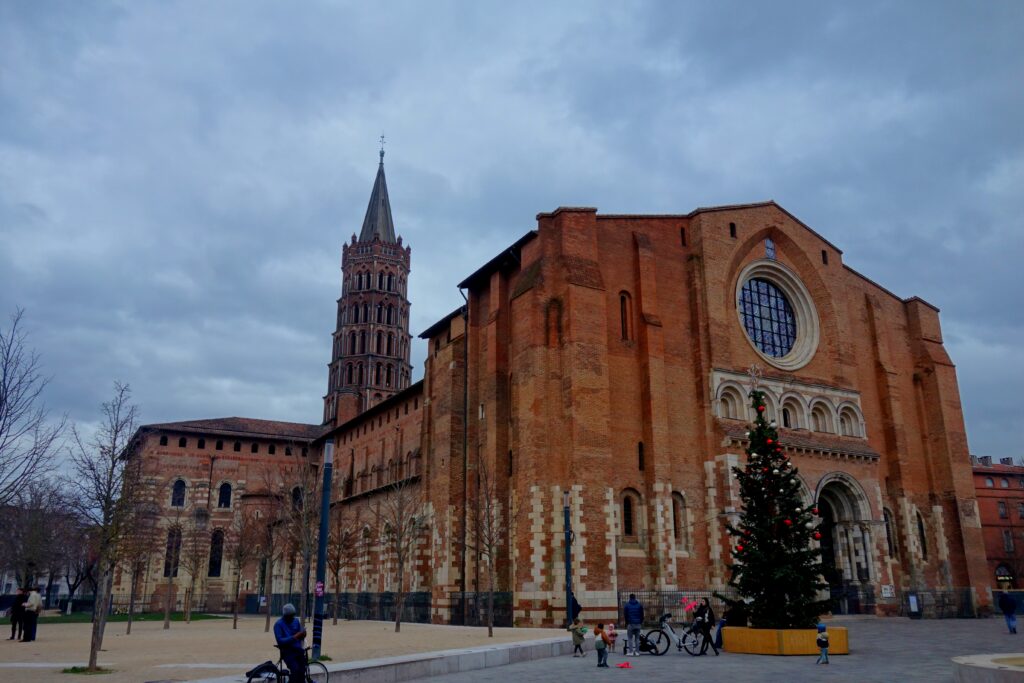
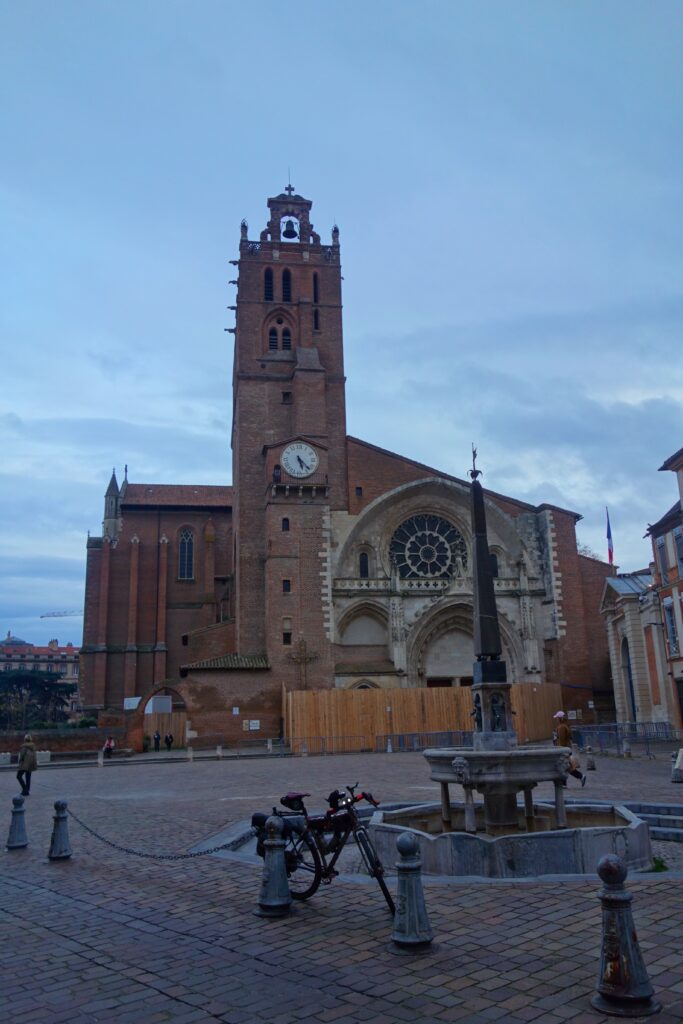
La Basilique Saint-Sernin ou les Jacobins sont des monuments emblématiques de la ville rose, la Cathédrale Saint-Étienne mérite aussi le détour de par son architecture atypique, fruit d’une très longue histoire. Un premier bâtiment a été érigé dès le IVᵉ siècle. Au fil du Moyen Âge, l’édifice connaît de nombreuses transformations. À partir du XIIᵉ siècle, une cathédrale romane est édifiée, dont subsistent aujourd’hui quelques éléments, notamment le chœur ancien.
Au XIIIᵉ siècle, un chantier est lancé pour construire un édifice gothique de grande ampleur. Le projet restera inachevé par manque de finances et en raison de crises politiques et sanitaires.
Deux parties de style bien différent coexistent donc et font l’originalité de la cathédrale. Des vitraux remarquables et un orgue monumental enrichissent l’intérieur.
Visiter Toulouse à vélo permet de se rendre sur les lieux les plus touristiques et emblématiques et d’aller voir aussi ceux moins connus ou moins visités : les Filtres (pas la Prairie des Filtres), l’Île Saint-Michel, celle du Ramier, les parcs et châteaux de la rive gauche, etc. Je propose deux boucles de ce type dans le topoguide « Boucles à Vélo autour de Toulouse » paru aux Éditions Chamina et toujours disponible dans les librairies … Si on se cantonne au centre historique ou l’hypercentre, la balade peut se faire à pied et avec le métro.
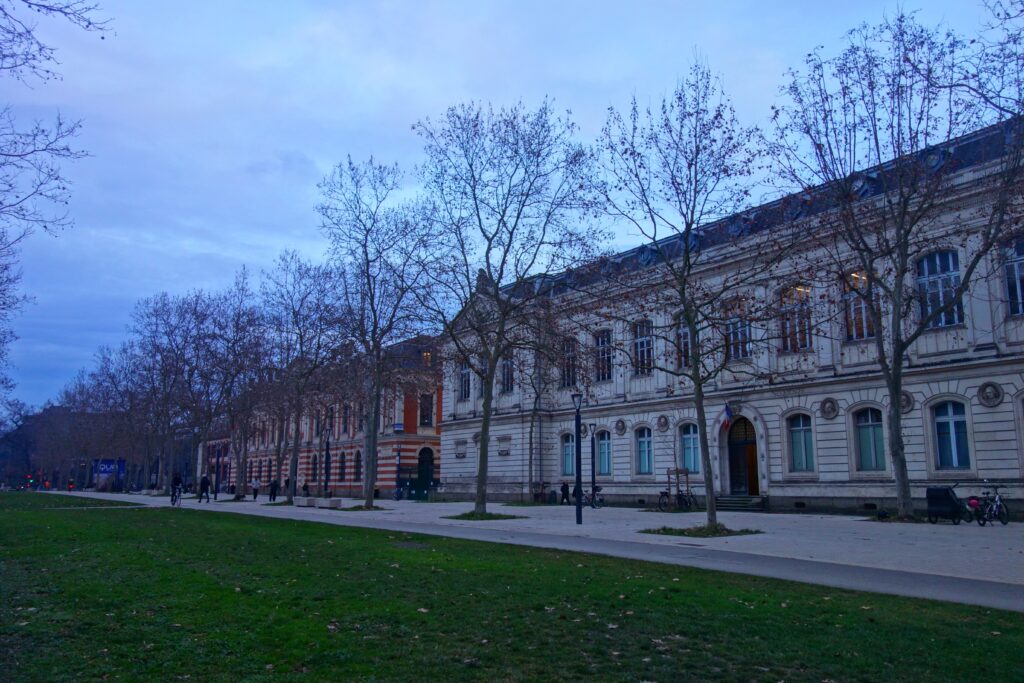
Il y a quelques fiches industrielles en ville et pas si éloignées du centre-ville, certaines sont rasées et rachetées par des promoteurs, d’autres comme la cartoucherie sont en partie réhabilitées et aménagées en espaces communs, il est important de garder traces du passé industriel ou historique des villes. J’écris souvent sur la piscine Nakache dont il est important de conserver le bâtiment pour son architecture arts décos mais surtout pour la symbolique historique.
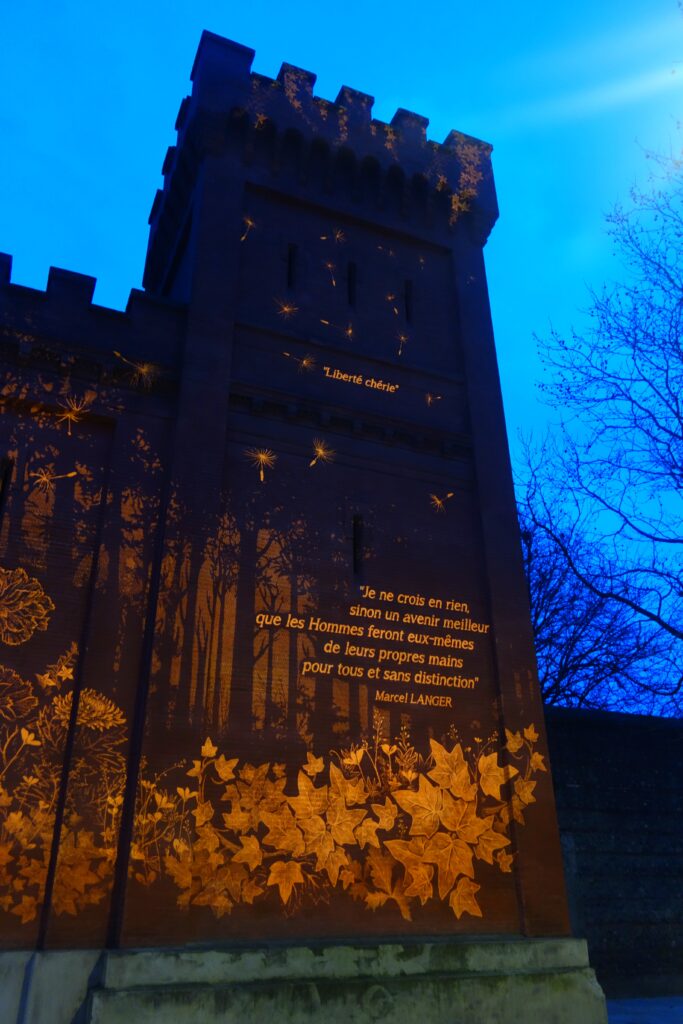
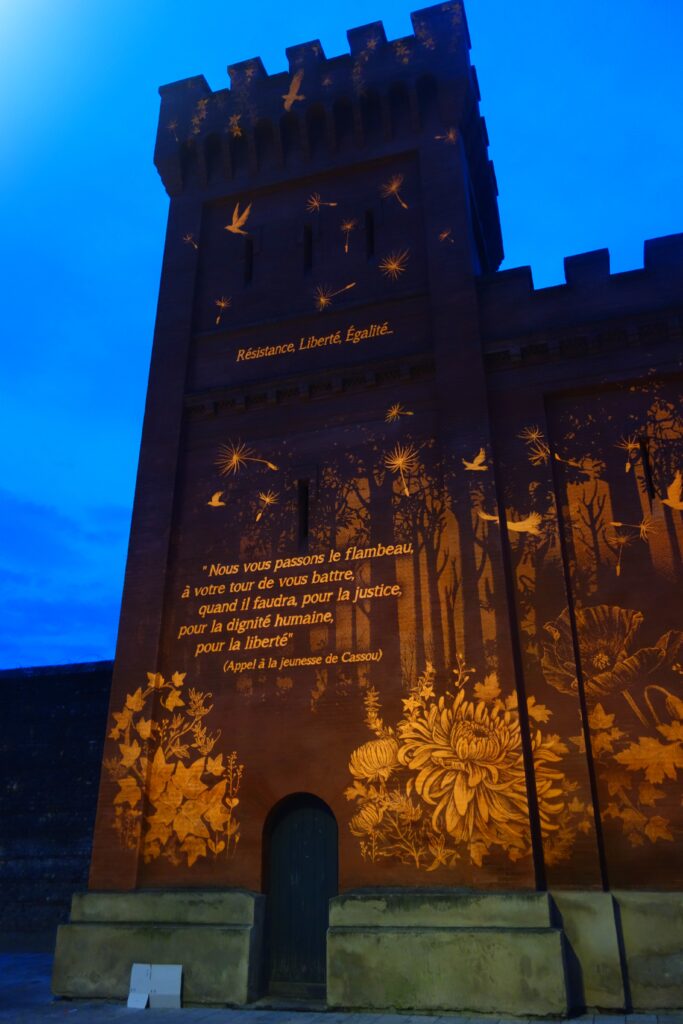
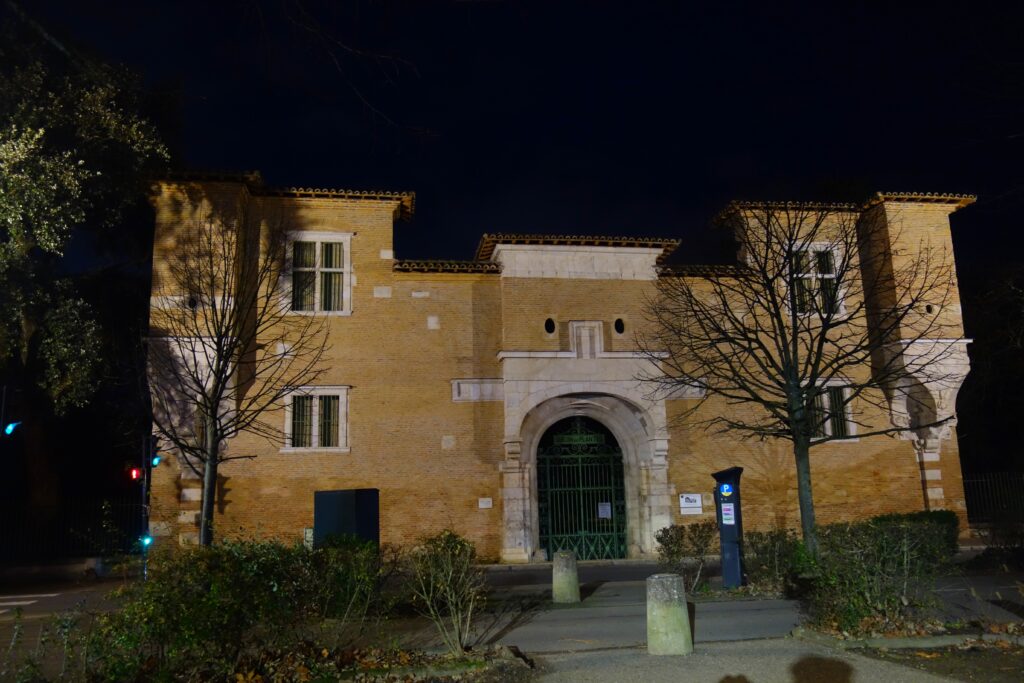
La prison Saint-Michel en est aussi un exemple.
« Je ne crois en rien, sinon un avenir meilleur que les hommes feront eux-mêmes de leurs propres mains pour tous et sans distinction » Marcel Langer
Cette prison fut pendant l’Occupation un lieu central de répression par les autorités nazies et le régime de Vichy. Des centaines de femmes et hommes y furent interrogés, torturés, assassinée ou déportés.
700 d’entre eux furent embarqués et déportés à Toulouse le 2 juillet 1944 dans le « train fantôme » qui eut un itinéraire erratique au gré des sabotages ferroviaires et de l’avancée des Alliés. Beaucoup de familles ont perdu trace des déportés pendant longtemps.
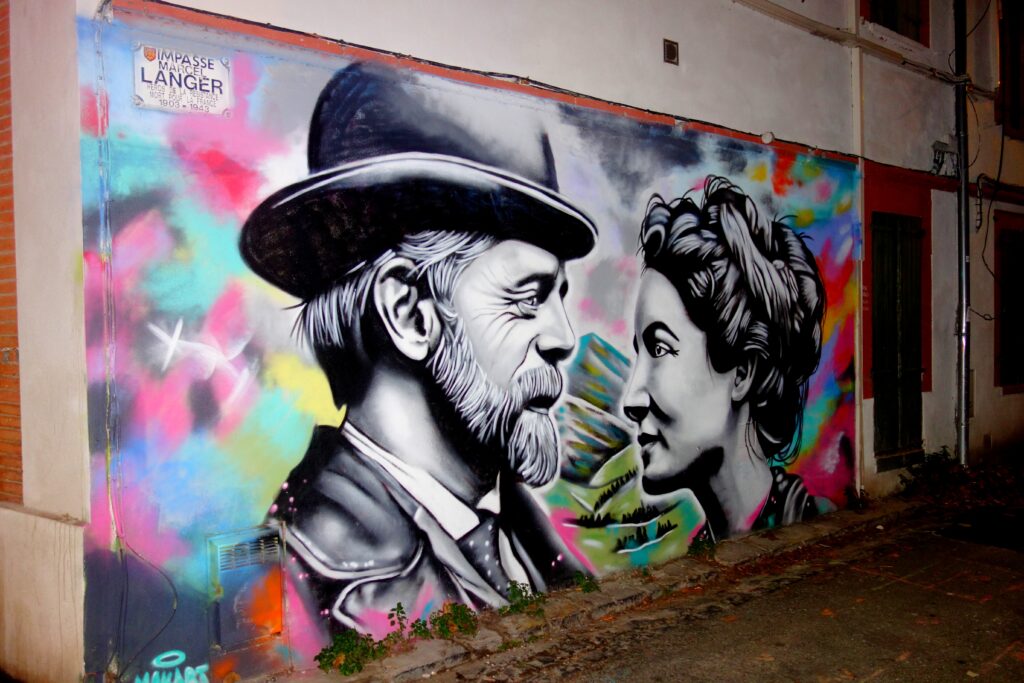
Marcel Langer, chef de la 35e brigade des FTP-MOI, guillotiné dans la cour de la prison le 27 juillet 1943.
Divers résistants (parmi lesquels Angèle Bettini, Raymond Naves, Conchita Ramos, Maurice Fontvieille, Sylvain Dauriac, Alice Kokine, François Verdier, Jean Durand, Marcelle Fontès, Henriette et Suzanne Guiral, etc.) y ont été détenus et beaucoup furent exécutés ou assassinés par la répression.
Certaines exécutions se firent à l’extérieur de la prison comme au Bois de la Reulle à Gragnague (16 corps retrouvés mais les bénévoles du groupe de recherche soupçonnent que d’autres exécutions ont pu y avoir lieu, ou à la forêt de Buzet-sur-Tarn (57 corps), ou encore François « forain » Verdier en forêt de Bouconne.
Je comprends tout à fait qu’une rue piétonne soit un lieu réservé et préservé pour assurer une circulation aisée aux piétons mais les piétons se sont accaparés toutes les rues du centre-ville et du centre historique qui ne leur sont pas toutes dédiées, les trottoirs ne servent à rien … Je me suis fait bousculer par un piéton dans une rue non piétonne, je roulais pourtant vraiment doucement … Un peu plus loin, c’est une dame qui m’apostrophe car je ne l’ai pas laissée traverser (pas de passage piéton), il faut dire que j’étais en train de boire au bidon, une main sur le guidon, impossible donc de m’arrêter, je n’ai pas été poli. Et par trois fois, j’ai failli me faire renverser par des voitures refusant une priorité, priorité que je n’avais pas forcée, j’étais bien engagé …
Je connais plutôt bien Toulouse mais avec le ciel couvert, les tournicotis tornicotons incessants, j’avoue par deux fois m’être trouvé vraiment déboussolé, pas sûr du quartier dans lequel je me trouvais ou pensant aller dans une autre direction.
Un peu perdu dans mes pensées, j’ai failli me payer une barrière, grise sur ton gris, réveil rapide et reconcentration …
J’ai aussi entendu un « Bonjour Thierry ! », si c’est bien Fabien et sa petite famille, salut à vous-même si nous ne sommes pas arrêtés …
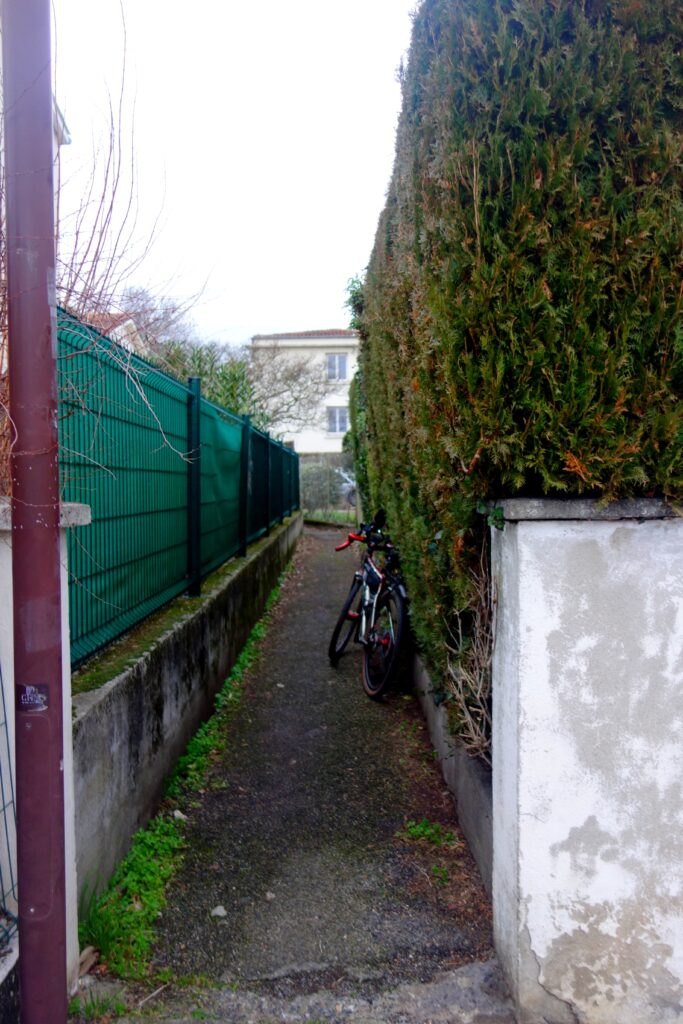
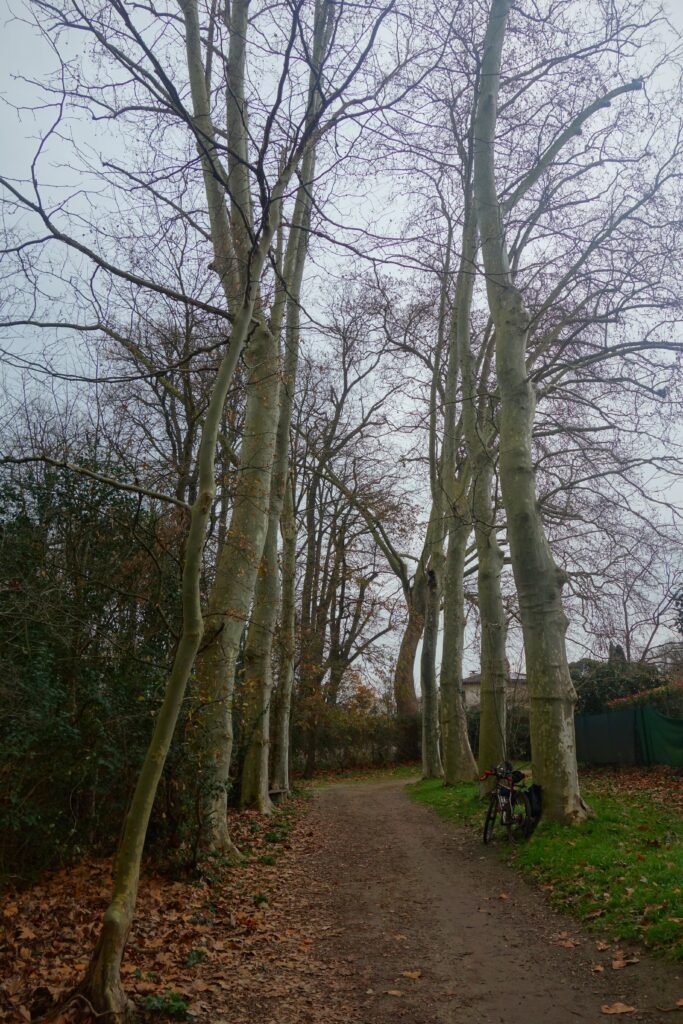
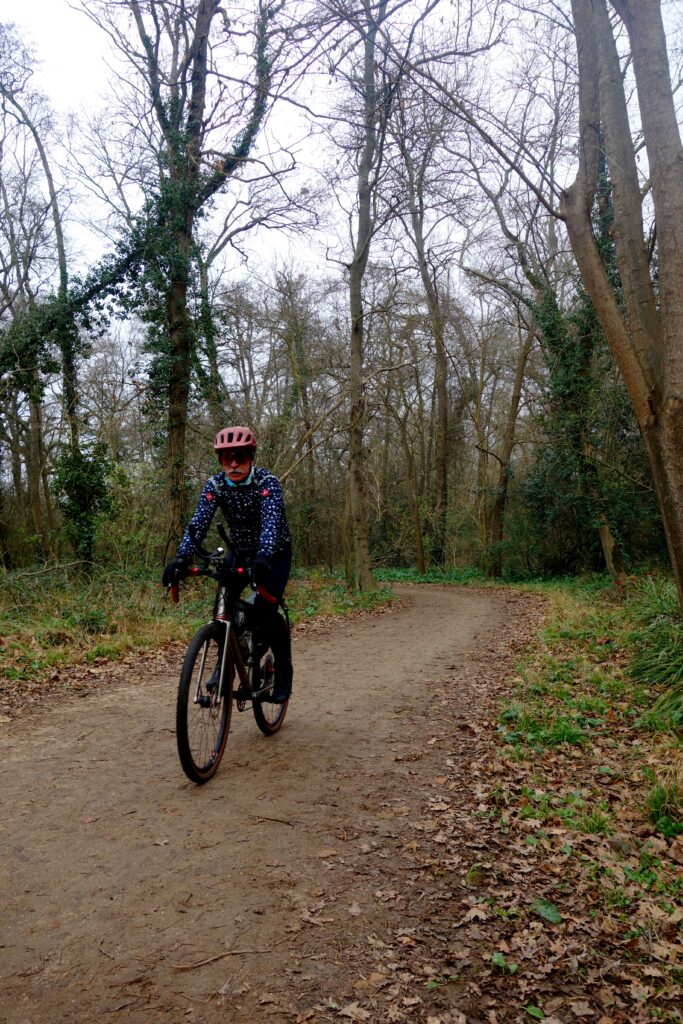
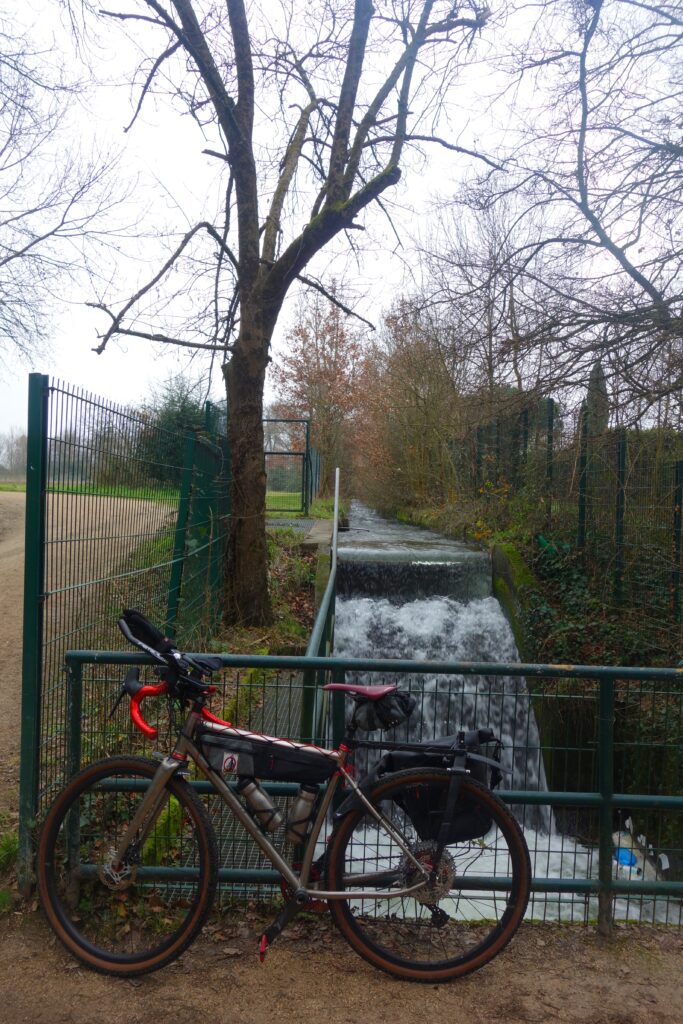
Ces traces toulousaines n’ont pas d’autre intérêt que les compte-rendu qui les accompagnent, je me régale toujours à trouver des piétonniers insoupçonnés entre deux rues ou des petits coins de verdure, j’y ai encore eu droit aujourd’hui …
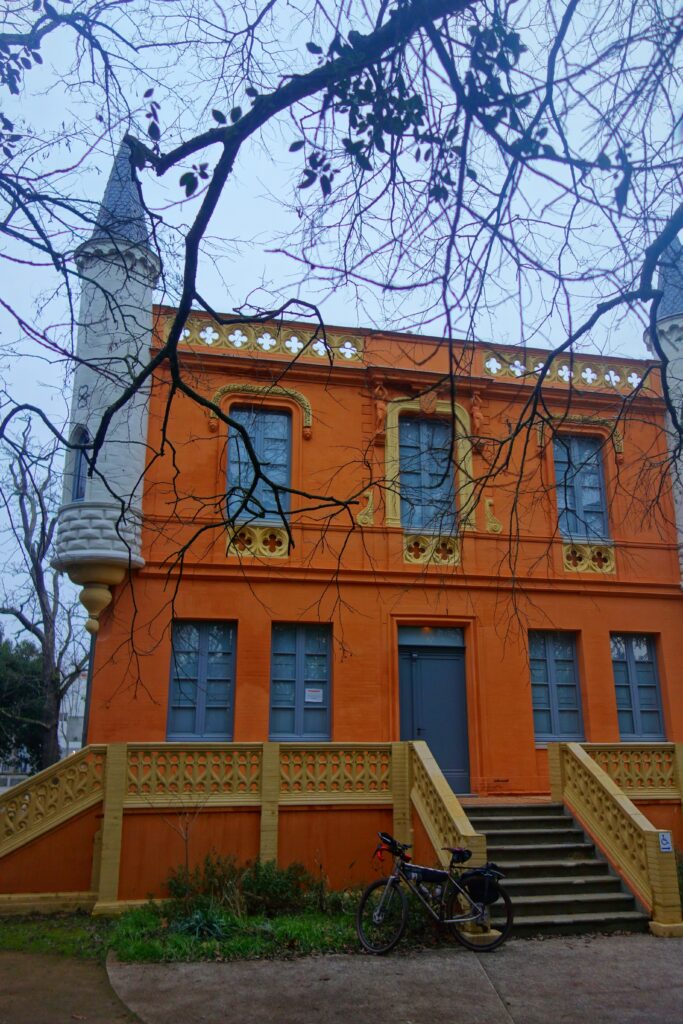
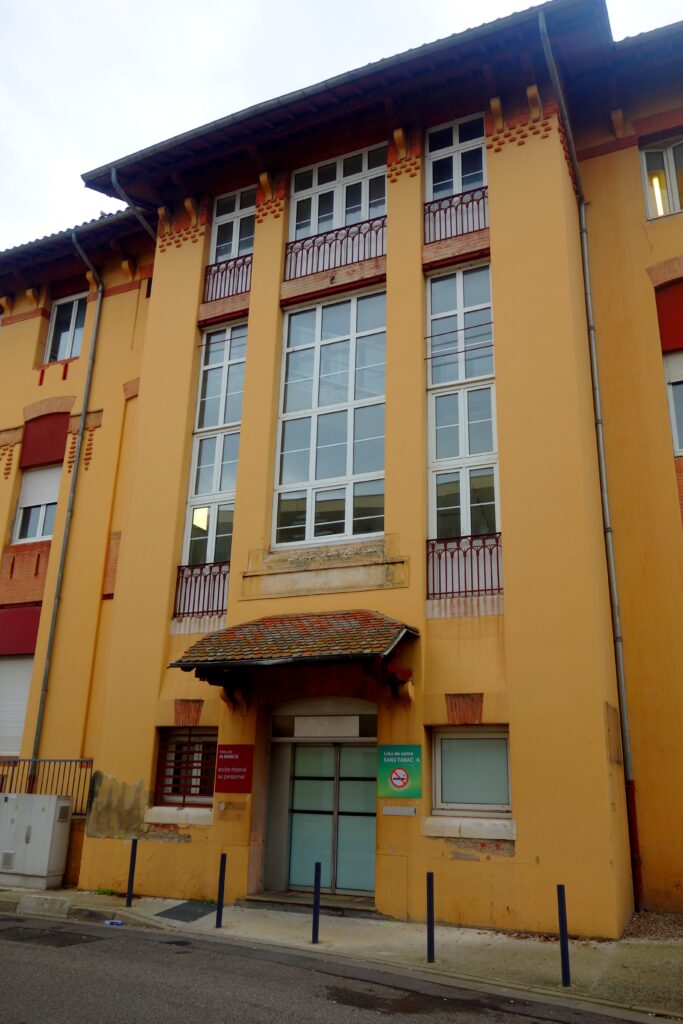
Et je découvre toujours de nouveaux sites très intéressants, là cela a été la Cité internationale, projet urbain, scientifique et universitaire inauguré en 2023.
Elle regroupe des logements destinés à des étudiants ou des chercheurs français ou étrangers, des espaces de travail partagés, des salles de conférences, un restaurant, etc.
Et elle a été implantée sur l’ancien site du laboratoire du professeur Paul Sabatier, prix Nobel de chimie, qui avait accueilli dès le début du XXᵉ siècle les premiers laboratoires scientifiques de l’Université de Toulouse.
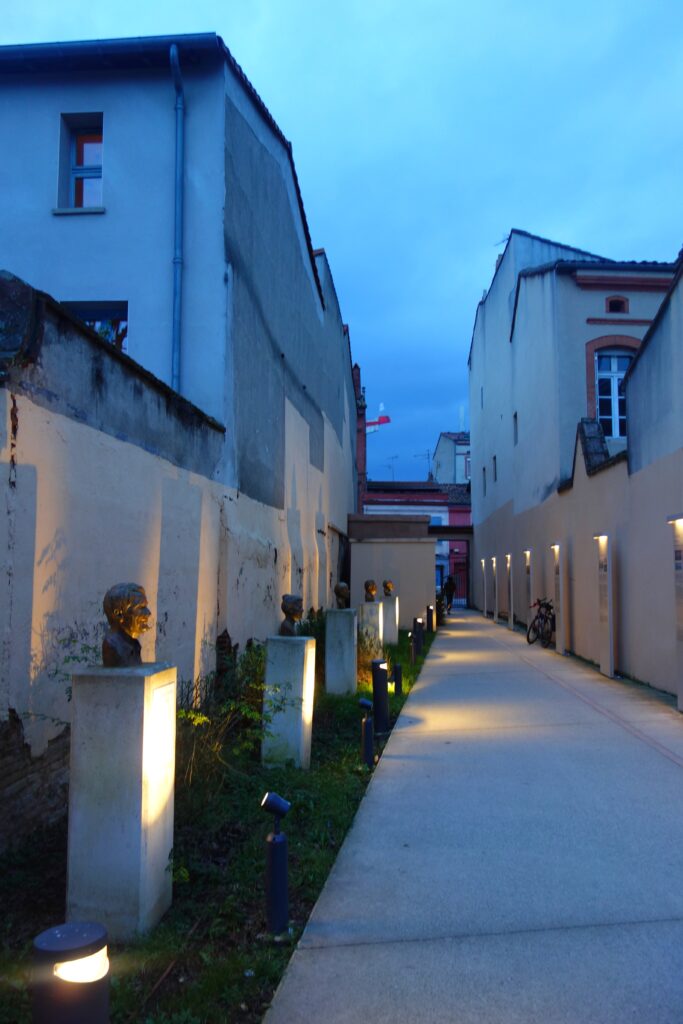
Dans le jardin et la venelle de la Cité internationale, plusieurs bustes de scientifiques sont exposés, tous réalisés pour souligner l’importance du site historique anciennement occupé par le laboratoire de l’université :
– Paul Sabatier (1854‑1941). Chimiste originaire de Carcassonne, professeur à Toulouse, il reçoit le Prix Nobel de chimie en 1912 pour ses travaux sur la catalyse.
– Jean‑Jacques Laffont (1947‑2004). Économiste toulousain, figure majeure des sciences économiques internationales, également représenté par un buste.
– Ernest Mérimée (1846‑1924). Professeur de langues (et homme de lettres) lié à Toulouse, aussi mis à l’honneur dans la série de bustes.
– Charles Camichel. Physicien (dans la liste des bustes — avec Mérimée, Sabatier, Laffont) mettant en lumière des disciplines scientifiques variées.
– Marte Condat. Médecin, également représentée parmi l’ensemble des figures scientifiques exposées.
– Paul‑Lucien Montané. Professeur d’anatomie inscrit dans la même série de bustes.
Outre les bustes, le parcours muséal de la Cité internationale comprend plusieurs séries de panneaux thématiques qui complètent les bustes en racontant l’histoire scientifique du site, notamment le rôle de Paul Sabatier dans la création de laboratoires à Toulouse, et plus largement l’importance de l’Université toulousaine dans divers domaines (sciences dures, médecine, économie).
Je ne suis pas fan de ces nouveaux aménagements d’espaces verts publics justement trop aménagés, comme ce qui se fait au Grand Parc Garonne sur l’île du Ramier devant la piscine Nakache : beaucoup de béton finalement, des plantations très canalisées, des étagements, etc. J’aimerais voir des espaces vraiment plus naturels …
Toulouse endest 4 – Also in French
The (very) last chapter in this series on “All of Toulouse, or (almost) all of it”… To cover those last few miles that I hadn’t yet traveled, I had to revisit quite a few places I had already explored… I could have done it like a mail carrier: street by street, neighborhood by neighborhood. I worked as a mail carrier for several summers, and the route was organized street by street, either by crisscrossing (in numerical order, constantly changing sidewalks) or by first delivering to even (or odd) numbered mailboxes and then odd (or even, one side then the other). In the latter case, I could return to the same street a short time after my first pass because I would go to other streets before coming back to do one side. This broke certain habits of users who waited for their mail at a fixed time, the mail carrier being a vector of social connection. I proceeded by neighborhood and cardinal directions, but I mapped out the first prospecting routes with one constraint: that my route did not overlap with the route already taken, so no backtracking, no crossing paths, and therefore some streets left out… A very good ratio of kilometers traveled for the first time / total distance. For the second batch, I went looking for streets I hadn’t traveled yet, and I had to go through quite a few places I had already ridden. I added one last layer with these “Toulouse endest,” but I’m really done with this theme. However, I won’t stop riding in the city. I’ll come back for other themes or simply to stroll around town. Cycling is a great way to discover a city.
It’s not easy to keep up a certain pace with all these changes of direction and traffic lights. I’ve already mentioned that I’m quite respectful of traffic lights and other signs. At the weekend, there’s less traffic in the city (although in some places), which is another reason why I cycle there at the weekend, to enjoy it more. Saturdays are to be avoided in the city center…
I climbed Jolimont again without passing the column commemorating the Napoleonic battle of April 18, 1814, against the combined English, Spanish, and Portuguese armies led by the Duke of Wellington. This battle pitted 42,000 French soldiers against 52,000 enemy soldiers and resulted in a few deaths, but historically and politically it served no purpose since there were officially no winners or losers…
I rode back through Cité Amouroux, where I attended primary school in Michoun. My mother was a teacher there, and my grandparents lived there after moving out of their flat on Avenue de Lyon. The neighbourhood has since been demolished as part of the megalomaniacal project to build the 150-metre-high Tour Occitane, which will be the tallest tower in France outside Paris, a huge eyesore in the city…
I then rode a few blocks north and west before returning to the center, first to the Cartoucherie area and then to the historic center.
La Cartoucherie owes its name, which is much less original than the origin of the Trois Cocus neighborhood, to the former military cartridge factory that was established there at the end of the 19th century. In the 1880s, the government chose this vast, then sparsely urbanized area to build a factory to manufacture ammunition for the French army. The Cartoucherie de Toulouse quickly became a strategic industrial site, employing several thousand workers, particularly during World War I, when production was greatly intensified. Throughout the 20th century, the factory set the pace for local life and left a lasting mark on the urban landscape with its large metal halls and industrial buildings. During World War II, the site was requisitioned and then resumed a more limited activity in the post-war period. From the 1960s and 1970s onwards, declining military needs and the modernization of the arms industry led to a slow decline of the site. Activities gradually ceased, until it was finally closed in the early 2000s.
Throughout the 20th century, the factory set the pace for local life and left a lasting mark on the urban landscape with its large metal halls and industrial buildings. During World War II, the site was requisitioned and then resumed a more limited activity in the post-war period. From the 1960s and 1970s onwards, declining military needs and the modernization of the arms industry led to a slow decline of the site. Activities gradually ceased, until it was finally closed in the early 2000s.
Left vacant for several years, the site has recently been rehabilitated, or some would say gentrified, and Les Halles de la Cartoucherie is now a very popular place for its restaurants and cultural events, “a place to be.” Under the guise of rehabilitation and renewal, Toulouse, like other large cities, is gentrifying formerly working-class neighborhoods and sorting its new population, pushing the less affluent out of the city (or even further away)…
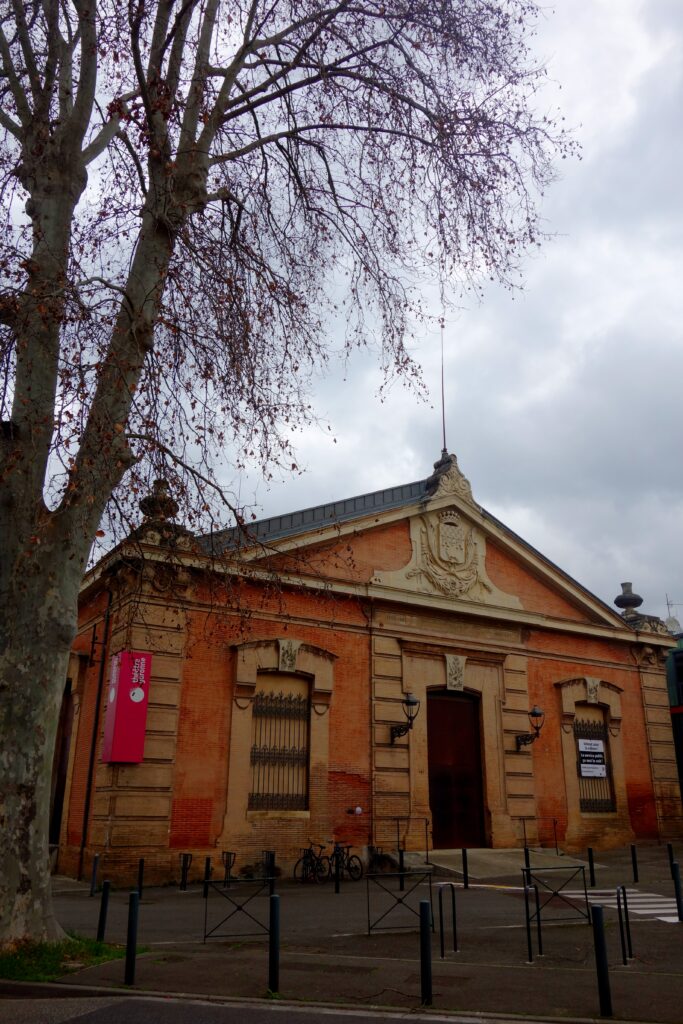
Bullfighting was very popular in the south-west, and Toulouse also had its own bullring (I am not referring to the Roman amphitheatre, the remains of which can still be seen between Purpan and Ancely), the largest after Nîmes, with a capacity of around 14,000. Activities gradually declined from 1976 onwards and it was demolished in 1990. Today, the Lycée des Arènes stands on the site, with its round shape… Hence the name of the neighbourhood.
Not very original either, the Place du Fer à Cheval (Horseshoe Square) takes its name from its semicircular shape, not from any royal stables or farriers. The racecourse is further away and is one of the oldest and most prestigious horse racing venues in France, inaugurated in 1866.
There is so much to say about the historic center of Toulouse… Rest assured, I will only mention Rue de l’Homme Armé, originally called Rue du Sauvage, a name given in reference to the small statue sculpted there at the end of the 15th century by Peyronet Delfau, representing a “savage armed with a club,” to serve as a sign for one of his inns, which were very numerous in this neighborhood at the time. Many Toulouse residents pass by the statue without looking up or knowing its history.
The Basilica of Saint-Sernin and the Jacobins are iconic monuments of the Pink City, but Saint-Étienne Cathedral is also worth a visit for its unusual architecture, the result of a very long history. The first building was erected in the 4th century. Throughout the Middle Ages, the building underwent numerous transformations. From the 12th century onwards, a Romanesque cathedral was built, some elements of which still remain today, notably the old choir.
In the 13th century, work began on the construction of a large Gothic building. The project remained unfinished due to a lack of funds and political and health crises.
Two very different styles therefore coexist, giving the cathedral its unique character. Remarkable stained glass windows and a monumental organ enrich the interior.
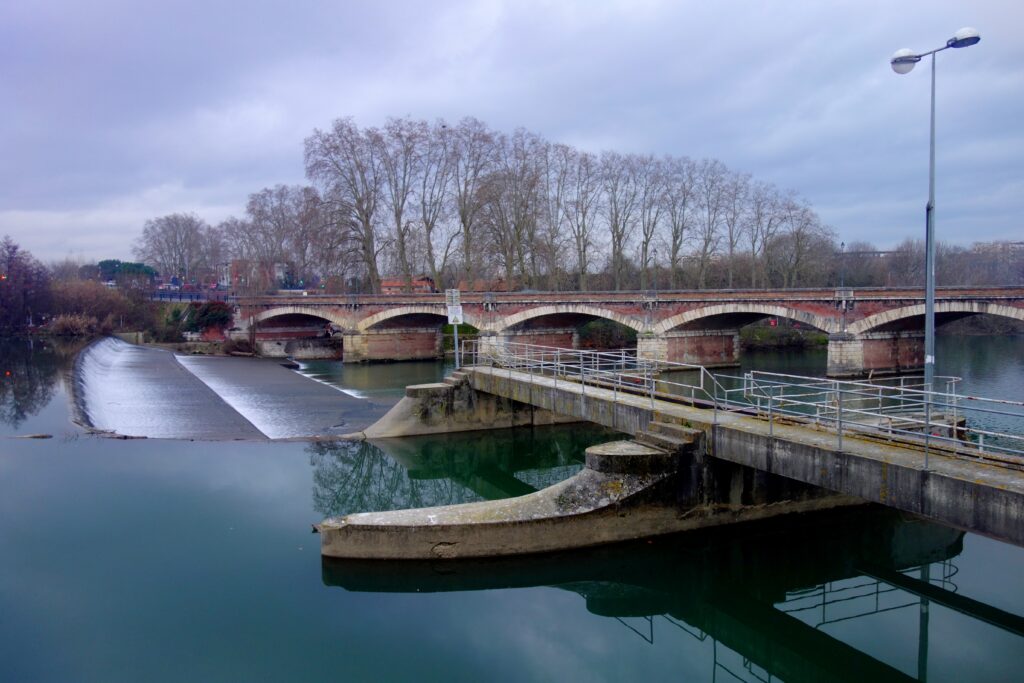
Visiting Toulouse by bike allows you to see the most popular and iconic tourist attractions, as well as some lesser-known or less-visited spots: Les Filtres (not the Prairie des Filtres), Île Saint-Michel, Île du Ramier, the parks and châteaux on the left bank, etc. I suggest two loops of this type in the guidebook “Boucles à Vélo autour de Toulouse” (Cycling Loops around Toulouse) published by Éditions Chamina and still available in bookshops… If you stick to the historic center or the hypercenter, the tour can be done on foot and by metro.
There are a few industrial sites in the city that are not too far from the city center. Some have been demolished and bought up by developers, while others, such as the cartridge factory, have been partially renovated and converted into communal spaces. It is important to preserve traces of the industrial or historical past of cities. I often write about the Nakache swimming pool, which is important to preserve for its Art Deco architecture, but above all for its historical symbolism.
The Saint-Michel prison is another example.
“I believe in nothing except a better future that men will build with their own hands for everyone, without distinction” Marcel Langer
During the Occupation, this prison was a central place of repression by the Nazi authorities and the Vichy regime. Hundreds of women and men were interrogated, tortured, murdered, or deported there.
700 of them were loaded onto trains and deported to Toulouse on July 2, 1944, in the “ghost train,” which followed an erratic route due to railway sabotage and the advance of the Allies. Many families lost track of the deportees for a long time.
Marcel Langer, head of the 35th brigade of the FTP-MOI, was guillotined in the prison courtyard on July 27, 1943.
Various members of the Resistance (including Angèle Bettini, Raymond Naves, Conchita Ramos, Maurice Fontvieille, Sylvain Dauriac, Alice Kokine, François Verdier, Jean Durand, Marcelle Fontès, Henriette and Suzanne Guiral, etc.) were detained there and many were executed or murdered during the crackdown.
Some executions took place outside the prison, such as at Bois de la Reulle in Gragnague (16 bodies found, but volunteers from the research group suspect that other executions may have taken place there), or in the forest of Buzet-sur-Tarn (57 bodies), or François “forain” Verdier in the forest of Bouconne.
I completely understand that a pedestrian street is a reserved and protected area to ensure easy movement for pedestrians, but pedestrians have taken over all the streets in the city center and historic center that are not dedicated to them, and the sidewalks are useless… I was bumped into by a pedestrian on a non-pedestrian street, even though I was riding very slowly… A little further on, a lady shouted at me because I didn’t let her cross (there was no crosswalk). I have to say that I was drinking from my water bottle, with one hand on the handlebars, so it was impossible for me to stop. I wasn’t polite. And three times, I was almost hit by cars that failed to give way, even though I hadn’t forced my right of way. I was well on my way…
I know Toulouse pretty well, but with the overcast sky and the constant twists and turns, I admit that twice I found myself really disoriented, unsure of which neighborhood I was in or thinking I was going in a different direction.
A little lost in my thoughts, I almost crashed into a gray barrier, gray on gray, a quick wake-up call and refocusing…
I also heard a “Hello, Thierry!” If that was Fabien and his little family, hello to you too, even though we didn’t stop…
These traces of Toulouse are only interesting because of the stories that go with them. I always enjoy finding unexpected pedestrian walkways between two streets or little green spaces, and today was no exception…
And I’m always discovering new and interesting sites, such as the Cité Internationale, an urban, scientific, and academic project inaugurated in 2023.
It includes housing for French and foreign students and researchers, shared workspaces, conference rooms, a restaurant, and more.
It was built on the former site of the laboratory of Professor Paul Sabatier, winner of the Nobel Prize in Chemistry, which had housed the first scientific laboratories of the University of Toulouse since the beginning of the 20th century.
In the garden and alleyway of the Cité internationale, several busts of scientists are on display, all created to highlight the importance of the historic site formerly occupied by the university laboratory:
– Paul Sabatier (1854–1941). A chemist from Carcassonne and professor in Toulouse, he received the Nobel Prize in Chemistry in 1912 for his work on catalysis.
– Jean Jacques Laffont (1947–2004). An economist from Toulouse and a leading figure in international economics, he is also represented by a bust.
– Ernest Mérimée (1846–1924). A language professor (and man of letters) with ties to Toulouse, he is also honored in the series of busts.
– Charles Camichel. Physicist (in the list of busts—with Mérimée, Sabatier, Laffont) highlighting various scientific disciplines.
– Marte Condat. Doctor, also represented among the scientific figures on display.
– Paul Lucien Montané. Professor of anatomy included in the same series of busts.
In addition to the busts, the Cité internationale museum tour includes several series of thematic panels that complement the busts by recounting the scientific history of the site, notably the role of Paul Sabatier in the creation of laboratories in Toulouse, and more broadly the importance of the University of Toulouse in various fields (hard sciences, medicine, economics).
I’m not a fan of these new public green spaces that are overly landscaped, such as the one at Grand Parc Garonne on Île du Ramier in front of the Nakache swimming pool: lots of concrete, very regimented planting, terraces, etc. I’d like to see spaces that are much more natural…
Translated with DeepL.com (free version)